GreenPlus Medical GreenPlus Medical

10 Best Tips to Maintain Anesthesia Machines for Reliability?

Time:2026-05-13 Author:Charlotte
0%

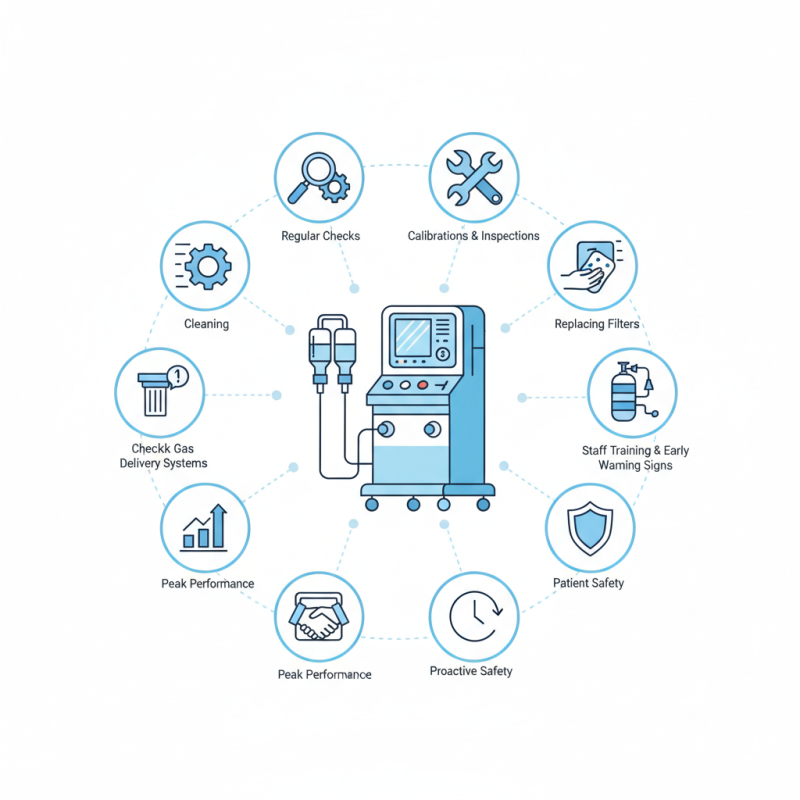
Maintaining anesthesia machines is crucial for effective healthcare delivery. Dr. Emily Robinson, an expert in anesthesia technology, states, "Regular maintenance ensures machines operate at peak performance." Her insights emphasize the importance of attention to detail.

How to maintain anesthesia machines for long-term reliability? This question is essential for healthcare facilities. Regular checks on equipment can prevent failures during critical moments. Regular calibrations and inspections help identify potential issues. Such diligence is necessary for patient safety.

Proper maintenance routines include cleaning, replacing filters, and checking gas delivery systems. These steps may seem simple but are vital. Neglecting small details can lead to significant problems. Additionally, training staff to recognize early warning signs is crucial. It may be tempting to overlook these tasks, yet the consequences can be severe. A proactive approach ensures the machines you rely on remain trustworthy.
10 Best Tips to Maintain Anesthesia Machines for Reliability?

Importance of Regular Maintenance for Anesthesia Machines

Regular maintenance of anesthesia machines is crucial for ensuring patient safety and optimal performance. According to the American Society of Anesthesiologists, nearly 30% of anesthesia-related adverse events are tied to equipment failure. This statistic highlights the importance of proactive measures. Routine checks can identify potential issues before they escalate, minimizing risks to patients.

Reports show that addressing maintenance early can save facilities money. When machines fail, repair costs can soar and cause operational delays. Regularly scheduled servicing can extend the life of the equipment and improve reliability. Technicians should focus on essential parts, such as gas delivery systems and monitoring devices. These components are vital for maintaining proper anesthetic levels.

Despite the known benefits, many facilities neglect routine maintenance. A survey indicated that only 50% of hospitals adhere to a strict maintenance schedule. This represents a significant risk to patient care. Staff training is essential in identifying issues but is often overlooked. Encouraging a culture that prioritizes equipment maintenance can lead to better outcomes and enhance overall safety in the operating room.

Key Components of Anesthesia Machines That Require Attention

Anesthesia machines play a crucial role in surgical settings. Understanding their key components is vital for maintaining reliability. Regular assessments are essential for parts like vaporizers, ventilators, and monitors. Experts recommend checking vaporizers every three to six months. Untested vaporizers may deliver inaccurate dosages. Accurate anesthesia delivery is critical for patient safety.

Ventilators should undergo routine inspections to ensure proper functionality. A report by the Anesthesia Patient Safety Foundation highlighted that mechanical failures could lead to serious risks. Regular calibration checks help avoid these malfunctions. Monitor alarm systems are equally important. Unresponsive alarms can hinder timely intervention during emergencies.

Keep the circuits clean. Dirty circuits can obstruct airflow and lead to inadequate ventilation. Routine cleaning schedules are beneficial. Documenting maintenance activities fosters accountability and allows for better tracking of issues. Establishing a checklist for key components also aids in maintaining reliability. Every component deserves attention to ensure the overall performance of anesthesia machines.

Step-by-Step Cleaning Procedures for Anesthesia Equipment

Maintaining anesthesia machines involves meticulous cleaning procedures. Regular cleaning ensures reliability and optimal performance. Begin by disconnecting the machine from all power sources. This simple step prevents accidents during maintenance. Use a soft cloth to remove dust and debris from the exterior. Pay attention to areas that can collect dirt easily.

For internal components, a detailed approach is necessary. Disassemble parts following the manufacturer's instructions. Clean each component with appropriate solutions. Rinse thoroughly to avoid residue build-up. Use compressed air to dry delicate parts. Remember to inspect seals and filters. These components often get overlooked but are crucial for machine function.

It's easy to overlook certain steps. Regular cleaning routines may miss thorough inspections. Consider setting intervals for deep cleaning. Document each cleaning session to track maintenance history. Reflect on any recurring issues and adjust cleaning protocols accordingly. Small changes can lead to significant improvements in reliability.

Monitoring and Testing Procedures for Anesthesia Machine Reliability

Monitoring and testing procedures are vital for ensuring anesthesia machine reliability. Regular inspections help identify potential faults early. A routine check should include verifying the machine’s alarm systems. These alarms are crucial for patient safety. Delaying this check can lead to unnoticed malfunctions during surgeries.

Functional testing is equally important. Run through various scenarios to simulate operation. This will help assess machine performance. Look for inconsistencies in gas delivery. Small discrepancies might indicate deeper issues. Not catching them can risk patient safety.

Documentation is key in the process. Maintain a log of all tests and their outcomes. This record provides insight over time. It reveals patterns and helps with machine assessments. Additionally, encourage staff to report any irregularities. These contributions are valuable for ongoing reliability improvement.

10 Best Tips to Maintain Anesthesia Machines for Reliability

Best Practices for Documenting Maintenance and Repair Activities

Documenting maintenance and repair activities for anesthesia machines is crucial. According to a report by the Association for the Advancement of Medical Instrumentation (AAMI), hospitals that meticulously track maintenance issues reduce equipment downtime by 40%. This data underscores the importance of systematic documentation. Regular logs help identify recurring problems, enabling better resource allocation for repairs.

Effective documentation should include detailed records of maintenance dates, issues encountered, and corrective actions taken. Utilizing a standardized format can enhance clarity. In a survey conducted by the American Society of Anesthesiologists (ASA), 30% of technicians reported challenges in retrieving past maintenance records. This indicates a need for improvement in organization and accessibility of these documents.

Additionally, the documentation should highlight areas needing additional training. A poorly documented maintenance history could lead to oversight in routine checks. A study found that 25% of anesthesia equipment failures are due to inadequate servicing. This illustrates the critical need for professionals to reflect on their documentation practices to improve the reliability of anesthesia machines. Engaging all staff in the documentation process can create a more robust culture of accountability and safety.

10 Best Tips to Maintain Anesthesia Machines for Reliability

Tip Number Maintenance Activity Frequency Documentation Required Responsible Personnel
1 Inspect electrical connections Monthly Inspection Log Biomedical Technician
2 Calibrate gas delivery systems Quarterly Calibration Report Anesthesia Technician
3 Replace CO2 absorbents Monthly Replacement Records Nursing Staff
4 Test alarms and safety features Weekly Testing Log Anesthesia Staff
5 Clean and disinfect surfaces Daily Cleaning Log Nursing Staff
6 Replace or test batteries Annually Battery Test Report Biomedical Technician
7 Check ventilation and suction functionality Monthly Functionality Log Anesthesia Technician
8 Conduct routine software updates Biannually Update History IT Personnel
9 Perform visual inspections for wear Monthly Inspection Report Biomedical Technician
10 Review and analyze maintenance logs Quarterly Maintenance Review Document Management Staff

FAQS

: Why is regular cleaning important for anesthesia machines?

: Regular cleaning ensures reliability and optimal performance of the equipment.

What should be done before cleaning anesthesia machines?

Disconnect the machine from all power sources to prevent accidents.

How can dust and debris be removed from the machine?

Use a soft cloth to wipe the exterior, focusing on areas that collect dirt.

What is a crucial step when cleaning internal components?

Disassemble parts following instructions and clean each with appropriate solutions.

Why is documenting maintenance and repair activities essential?

It helps reduce equipment downtime and identifies recurring issues for better allocation of resources.

What should effective documentation include?

Records of maintenance dates, encountered issues, and corrective actions taken.

What percentage of anesthesia equipment failures are due to inadequate servicing?

Studies show 25% of failures occur because of insufficient servicing.

How can staff involvement improve safety in documentation?

Engaging all staff creates a culture of accountability, enhancing safety practices.

What challenge do technicians face regarding past maintenance records?

30% reported difficulties in retrieving past records, highlighting organizational issues.

What reflection is necessary for improving cleaning protocols?

Professionals should consider recurring issues and adjust cleaning practices for better reliability.

Conclusion

Maintaining anesthesia machines for long-term reliability is crucial in ensuring patient safety and effective anesthesia delivery. Regular maintenance not only prolongs the lifespan of these machines but also helps in identifying potential issues before they become critical. Key components that require attention, such as ventilators and vaporizer systems, should be routinely checked and serviced as part of a comprehensive maintenance plan.

A step-by-step cleaning procedure is essential to prevent contamination and ensure optimal performance. Additionally, implementing systematic monitoring and testing procedures helps verify the machine's functionality and reliability. Documenting all maintenance and repair activities is a best practice that aids in tracking the history of the equipment and making informed decisions about future servicing. By adhering to these guidelines, healthcare professionals can effectively learn how to maintain anesthesia machines for long-term reliability, ultimately enhancing patient care.

Charlotte

Charlotte

Charlotte is a seasoned marketing professional with a deep understanding of the company's portfolio and a passion for elevating its presence in the market. With a keen eye for detail and a commitment to excellence, she ensures that our professional blog is regularly updated with insightful articles......