 GreenPlus Medical
GreenPlus Medical
GreenPlus Medical
Chronic wounds can remain open for weeks, despite dressings, antibiotics, and careful attention. A small heel ulcer may show pale edges, moisture, and a faint odor. These details can signal deeper problems, including pressure, poor circulation, infection, or uncontrolled diabetes. Buyers need more than attractive packaging. They need evidence, product suitability, and practical guidance.
So, How to manage chronic wounds that refuse to heal? The answer begins with assessment, not shopping. A qualified clinician should examine wound depth, blood flow, tissue condition, pain, and infection risk. Product selection must then match the wound stage and care plan. Foam dressings, hydrocolloids, alginates, hydrogels, antimicrobial dressings, and negative pressure systems each serve different purposes. No single product works for every wound.
Dr. David G. Armstrong, a respected podiatric surgeon and wound-care researcher, has said, “The best way to treat a diabetic foot ulcer is to prevent it.” His words remain highly relevant for buyers comparing chronic wound care products. Prevention includes pressure relief, skin inspection, moisture control, and timely clinical review. It also requires honest purchasing decisions. Low price does not always mean low total cost. A dressing that leaks may increase nursing time and patient discomfort.
This guide reviews ten product categories through clinical usefulness, material quality, user experience, and evidence-informed considerations. It is not a substitute for professional diagnosis. Some recommendations may still require refinement, because wound care is rarely predictable. Careful observation matters. So does humility.
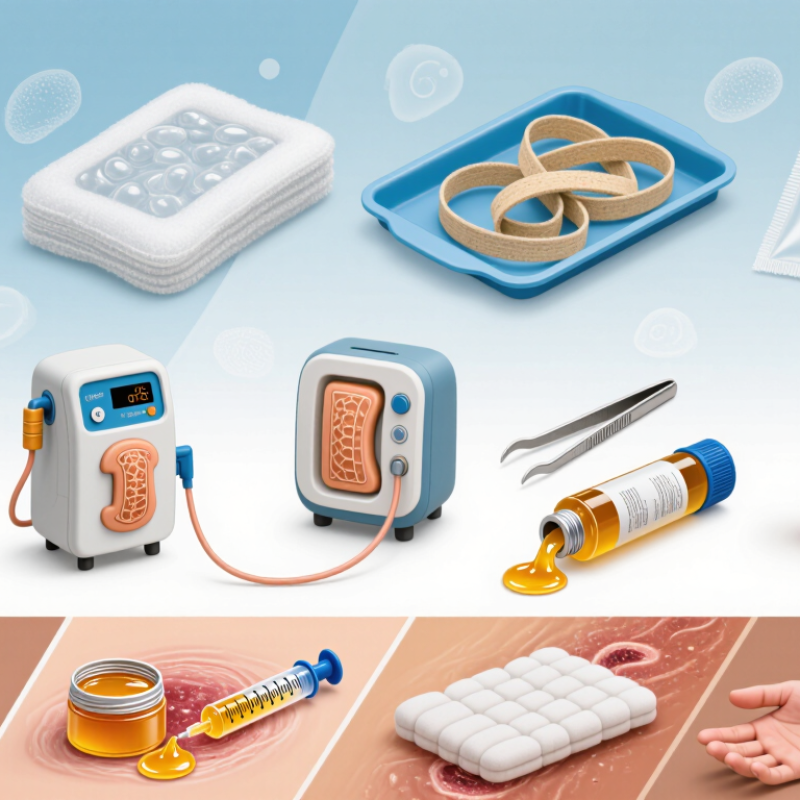
China Top 10 Chronic Wound Care Products for Buyers
China’s chronic wound market reflects two pressures: aging and diabetes. The National Bureau of Statistics reported 280.04 million people aged 60 or above in 2022. The IDF Diabetes Atlas, 10th edition, estimated 140.9 million Chinese adults had diabetes in 2021. These figures increase demand for practical wound management, especially for diabetic foot ulcers, pressure injuries, and venous leg ulcers.
Key product categories include foam, hydrocolloid, alginate, hydrogel, transparent film, collagen, antimicrobial, and silicone contact dressings. Negative pressure wound therapy supports selected deep or highly exuding wounds. Compression systems and offloading devices address venous disease and diabetic foot pressure. A useful dressing should match exudate, wound depth, skin condition, and dressing frequency. A thick foam may protect a draining wound, while hydrogel suits dry necrotic tissue. The choice is clinical, not decorative.
Chinese buyers increasingly examine sterility, absorbency, skin tolerance, traceability, and packaging integrity. Hospital procurement teams also need clear instructions, stable supply, and product training. The National Health Commission emphasizes standardized chronic disease management, making documentation increasingly important. A low unit price can become expensive when leakage causes extra changes. This is often underestimated. Buyers should request test data, clinical evidence, and samples tested on realistic wound conditions. Laboratory performance may not fully reflect humid wards, fragile skin, or limited nursing time. Pricing matters, but reliable outcomes matter more.
| No. | Product Category | Main Clinical Function | Most Suitable Chronic Wounds | Exudate Level | Typical Replacement Guidance | Key Buyer Requirements in China | Important Purchasing Checks |
|---|---|---|---|---|---|---|---|
| 1 | Alginate Dressings | Forms a gel on contact with wound fluid, helps absorb exudate and supports atraumatic removal. | Cavity wounds, venous leg ulcers, pressure injuries and wounds with fragile granulation tissue. | Moderate to heavy | Usually daily or according to saturation, wound condition and product instructions. | High wet-strength, controlled gel formation, multiple sizes and sterile individual packaging. | Confirm calcium or calcium-sodium composition, fiber integrity, absorbency testing and compatibility with secondary dressings. |
| 2 | Hydrofiber or Gelling Fiber Dressings | Locks wound fluid into a cohesive gel and helps maintain a moist wound environment. | Moderately to heavily exuding diabetic foot ulcers, venous ulcers and pressure injuries. | Moderate to heavy | Commonly every 1–3 days, depending on exudate and the instructions for use. | Fast fluid uptake, low lateral spread, easy removal and reliable performance under compression therapy. | Review retention of gel, vertical absorption, tensile strength when wet and clinical-use evidence. |
| 3 | Foam Dressings | Provides cushioning, absorbs exudate and reduces contact between the wound and external friction. | Pressure injuries, venous ulcers, postoperative wounds and other shallow exuding wounds. | Low to heavy, depending on construction | Often every 2–4 days; some products may remain longer if clinically appropriate and not saturated. | High absorbency, soft silicone contact layer, conformability, edge security and low dressing frequency. | Compare total fluid-handling capacity, vapor transmission, adhesive performance and skin-friendly removal. |
| 4 | Hydrocolloid Dressings | Forms a moist gel environment and protects the wound from external contamination and friction. | Shallow, clean, low-to-moderately exuding pressure injuries and superficial chronic wounds. | Low to moderate | Usually every 3–7 days, or earlier if leakage, lifting or clinical deterioration occurs. | Reliable adhesion, low odor, conformability, skin protection and several anatomical shapes. | Check peel strength, gel residue, moisture vapor transmission and suitability for sensitive periwound skin. |
| 5 | Hydrogel Dressings | Donates moisture, supports autolytic debridement and may help soften slough or necrotic tissue. | Dry or minimally exuding wounds, sloughy wounds and painful wounds requiring hydration. | None to low | Often daily or every 1–3 days, depending on moisture loss and the secondary dressing. | Non-toxic formulation, good moisture retention, cooling effect, easy application and compatible secondary dressings. | Verify preservative system, biocompatibility, shelf life, leakage resistance and contraindication for heavily exuding wounds. |
| 6 | Antimicrobial Silver Dressings | Provides antimicrobial activity as part of an overall infection-management plan. | Chronic wounds with suspected or confirmed local bioburden, when clinically indicated. | Low to heavy, depending on base dressing | Generally reassessed within 7–14 days; ongoing use should be based on clinical response and local guidance. | Documented antimicrobial performance, controlled silver release, broad product range and clear usage limits. | Request antimicrobial test methods, cytotoxicity data, silver content, release profile and regulatory classification. |
| 7 | Iodine-Based Antimicrobial Dressings | Releases iodine locally and may reduce microbial load in selected chronic wounds. | Exuding chronic wounds where an iodine dressing is clinically appropriate. | Moderate to heavy | Typically changed daily or every few days, according to wound status and product instructions. | Stable iodine release, clear safety labeling, good fluid handling and defined treatment duration. | Check precautions for thyroid disorders, iodine sensitivity, pregnancy, prolonged use and interaction with other products. |
| 8 | PHMB or Other Antimicrobial Contact Layers | Provides an antimicrobial contact layer while allowing wound fluid to pass to an absorbent secondary dressing. | Chronic wounds requiring a non-adherent contact layer and antimicrobial support. | Low to moderate, with secondary dressing | Usually changed with the secondary dressing, commonly every 1–3 days. | Low adherence, broad compatibility, stable antimicrobial activity and easy cutting or conformability. | Review active-agent concentration, antimicrobial testing, skin tolerance, fluid permeability and sterilization validation. |
| 9 | Collagen or Collagen-Based Matrix Dressings | Provides a supportive matrix for wound management and may help manage excessive protease activity in selected wounds. | Hard-to-heal diabetic, venous and pressure-related wounds after appropriate wound-bed preparation. | Low to moderate | Often every 1–3 days or according to product-specific instructions and wound response. | Consistent matrix structure, low bioburden, easy preparation and evidence for chronic wound use. | Confirm source material, allergen information, animal-origin controls, sterilization and storage requirements. |
| 10 | Transparent Film Dressings | Creates a breathable protective barrier, allows visual inspection and helps secure primary dressings. | Superficial, minimally exuding wounds, fragile periwound skin and dressing fixation. | None to low | May remain for several days if intact, clean and clinically appropriate. | High transparency, balanced moisture vapor transmission, gentle adhesive and easy application. | Compare conformability, waterproof performance, residue, peel force and compatibility with medical devices. |
Common categories include foam dressings, hydrocolloids, alginates, hydrogels, collagen dressings, and antimicrobial dressings. Negative-pressure systems and compression supplies are also widely considered. The best choice depends on wound conditions.
Foam and hydrofiber dressings can manage moderate exudate. They help maintain a moist environment while protecting surrounding skin. Check absorbency during actual clinical testing.
Alginates can support cavity wounds and help control minor bleeding. Hydrogels may soften dry, necrotic tissue during wound preparation. They are not universal solutions.
It may suit complex wounds, surgical separation, and wounds with heavy drainage. The system requires trained staff, suitable equipment, and regular monitoring. Training matters greatly.
Inspect seal integrity, absorbency, adhesion, packaging clarity, and lot numbers. Request shelf-life data, biocompatibility reports, and batch-testing records. Examine several production lots, not one attractive sample.
Ask for registration documents, conformity declarations, sterilization validation, and risk-management files. Review whether product claims have clinical or laboratory support. Unclear certificates deserve careful questioning.
Compare equal quantities, shipping terms, export documents, samples, and replacement policies. Include packaging, testing, and delivery costs in the calculation. The cheapest quotation may omit important services.
Ask about monthly capacity, raw material sources, production lead times, and backup arrangements. Confirm complaint response times, technical contacts, training materials, and corrective-action procedures. Test small shipments. Actual delivery performance may challenge the original quotation.
China’s chronic wound care market includes a broad range of products designed for pressure injuries, diabetic ulcers, venous wounds, and postoperative wounds. The top product categories by clinical use may include foam dressings, hydrocolloids, alginates, hydrogels, antimicrobial dressings, collagen-based materials, transparent films, compression products, wound cleansing solutions, and negative pressure wound therapy supplies. Each category offers different benefits in moisture control, exudate absorption, infection-risk management, tissue protection, or healing support. Understanding how to manage chronic wounds that refuse to heal? Buyers should consider wound type, exudate level, tissue condition, patient comfort, and clinical workflow before selecting products.
For procurement decisions, buyers should evaluate material safety, sterilization, packaging integrity, shelf life, usability, regulatory documentation, and consistency between batches. Price should be compared alongside product performance, supply stability, minimum order requirements, delivery capacity, technical guidance, training, and after-sales support. A reliable supplier should provide clear specifications, quality records, responsive communication, and practical solutions for hospitals, clinics, distributors, and home-care settings.
