GreenPlus Medical GreenPlus Medical

China Top 10 Vacuum Blood Collection Tubes Shelf Life Guide?

Time:2026-05-31 Author:Sienna
0%

Understanding the shelf life of vacuum blood collection tubes is crucial for accurate laboratory results. These tubes, commonly used in medical settings, have specific expiration dates that can impact their effectiveness. What is the shelf life of vacuum blood collection tubes? This question is vital for healthcare professionals who rely on these tools for diagnostics.

Many factors influence the longevity of these tubes, including storage conditions and the type of anticoagulant used. Tubes stored properly at appropriate temperatures usually remain viable longer. However, improper storage can lead to questionable results and misdiagnoses.

While manufacturers provide guidelines, actual shelf life may vary based on environmental impacts. Users should regularly check expiration dates and avoid using expired tubes, as this can compromise testing integrity. It's important to trust established protocols while remaining aware of potential pitfalls. As technology evolves, continuous education on best practices is essential for maintaining high standards in patient care.
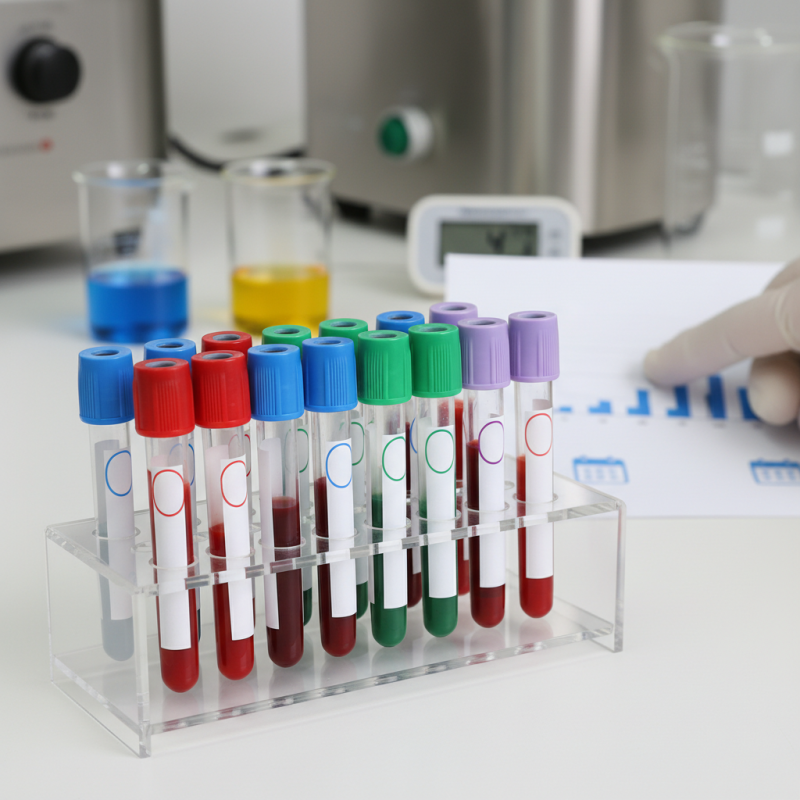
China Top 10 Vacuum Blood Collection Tubes Shelf Life Guide?

China Vacuum Blood Collection Tubes: An Overview of Shelf Life

Vacuum blood collection tubes are crucial in clinical laboratories. They ensure the integrity of blood samples during storage and transport. In China, the shelf life of these tubes can vary based on several factors, including the type of additive used. According to a recent industry report, tubes with EDTA can last up to 24 months if stored properly, while those containing sodium citrate may only retain effectiveness for 18 months.

It's essential to monitor storage conditions. High temperatures and humidity can degrade the tubes' materials and additives. As stated by the National Health Commission, maintaining a controlled environment is key to preserving sample quality. Regular checks on expiration dates can prevent using compromised tubes.

Tips: Store tubes in a cool, dry place. Check for any signs of damage before use. If a tube appears discolored or shows signs of leakage, do not use it. Always prioritize safety and compliance with laboratory protocols.

Factors Affecting Shelf Life of Vacuum Blood Collection Tubes

The shelf life of vacuum blood collection tubes is influenced by several critical factors. One primary aspect is the tube material. Commonly used materials can degrade over time, affecting the integrity of the sample. For example, polycarbonate tubes may lose their clarity and strength after prolonged exposure to certain conditions.

Temperature is another vital factor. Studies show that maintaining a stable temperature between 15°C and 30°C is ideal. Temperatures outside this range can accelerate degradation. In fact, a report indicated that exposure to excessive heat could reduce tube effectiveness by up to 20% within six months.

Expiration dates typically range from 12 to 24 months. However, environmental conditions play a significant role in determining actual usability. Humidity, light exposure, and mechanical stress impact tube performance. Some tubes may appear undamaged but could still compromise sample quality. Thus, regular assessments are necessary to ensure tubes remain within acceptable limits for reliable testing.

Recommended Storage Conditions for Optimal Shelf Life

When storing vacuum blood collection tubes, proper conditions are crucial for maintaining their integrity and effectiveness. Ideal storage temperatures hover between 15-25°C. Fluctuations can compromise the sealing of the tubes. According to industry reports, excessive heat can degrade the components inside, affecting the blood sample collection process.

Humidity control is equally important. Tubes should be kept in a dry environment, ideally at a humidity level below 60%. Research indicates that exposure to high humidity can lead to condensation inside the tubes, potentially altering test results. For facilities handling hundreds of samples, a monitoring system to track humidity levels is essential.

Additionally, avoiding direct sunlight significantly contributes to shelf life optimization. Ultraviolet light can damage some components of the tubes, particularly those designed for specific tests. While many tubes have a recommended shelf life of 12 months, improper storage can shorten this time drastically. Regular checks and adherence to storage protocols ensure reliability in diagnostics. These practices are critical for laboratories aiming to maintain high standards of quality and accuracy.

China Top 10 Vacuum Blood Collection Tubes Shelf Life Guide - Recommended Storage Conditions for Optimal Shelf Life

Collection Tube Type Shelf Life (Months) Optimal Storage Temperature (°C) Humidity Level (%)
EDTA Tubes 12 15 - 25 30 - 70
Citrate Tubes 18 20 - 25 20 - 60
Serum Separation Tubes 12 15 - 25 30 - 50
Gel & Clot Activator Tubes 12 15 - 25 20 - 60
Heparin Tubes 12 15 - 25 30 - 70
Oxalate Fluoride Tubes 12 15 - 25 30 - 70
Trace Element Tubes 24 15 - 25 30 - 70
Blood Culture Tubes 12 20 - 25 30 - 70
Quality Control Tubes 18 15 - 25 20 - 60
DNA Collection Tubes 24 15 - 25 30 - 50

Common Materials Used in Blood Collection Tubes and Their Longevity

The choice of materials in vacuum blood collection tubes significantly affects their longevity and usability. Common materials include glass and various plastics. Glass tubes, particularly borosilicate, demonstrate exceptional chemical resistance. They can maintain integrity for up to five years under proper storage conditions. This durability is crucial when ensuring accurate sample integrity.

Plastic tubes, made from materials like PET or polypropylene, are lighter but vary in lifespan. Studies indicate their stability may be compromised after two to three years. Factors such as exposure to light and temperature fluctuations can accelerate degradation. Regular assessments of tube condition are vital for maintaining laboratory standards.

Each tube material offers unique advantages, yet neither is immune to issues. A study from the Journal of Clinical Laboratory Analysis noted that improper storage or damaged tubes could lead to inaccurate test results. This highlights the importance of proper handling and awareness of the shelf life of each tube type. Continual education in these areas ensures better practices in blood collection and storage.

Regulatory Guidelines Impacting Shelf Life of Blood Collection Tubes in China

In China, the shelf life of vacuum blood collection tubes is influenced by several regulatory guidelines. These regulations are crucial for ensuring the safety and efficacy of medical laboratory practices. The guidelines dictate how tubes should be stored and handled, which can directly affect their performance.


Specific factors like temperature and humidity are critical. If not adhered to, they may lead to compromised integrity. For instance, exposure to extreme temperatures can cause additives within the tubes to degrade. This degradation can affect the blood sample results, resulting in potentially unreliable data for diagnosis.


Understanding these regulations is essential for manufacturers and healthcare providers. Compliance ensures that the tubes remain effective throughout their intended shelf life. However, it is a challenge to stay updated on evolving guidelines. Frequent changes can confuse providers, leading to suboptimal practices. Continuous education and adherence to these guidelines are vital for maintaining the quality of blood collection processes.

FAQS

: What affects the shelf life of vacuum blood collection tubes?

: The material, temperature, humidity, light exposure, and mechanical stress affect shelf life.

Why is material choice important for blood collection tubes?

Different materials degrade at different rates, impacting the integrity and longevity of samples.

What is the ideal temperature range for storing these tubes?

A stable temperature between 15°C and 30°C is recommended.

How do high temperatures impact tube effectiveness?

Excessive heat can reduce tube effectiveness by up to 20% in just six months.

What is the typical expiration date for blood collection tubes?

Expiration dates generally range from 12 to 24 months, influenced by environmental factors.

Can tubes look undamaged but still compromise sample quality?

Yes, some tubes may appear intact but can still affect sample integrity if conditions are poor.

What materials are commonly used in blood collection tubes?

Common materials include glass and various plastics such as PET and polypropylene.

How long can glass tubes maintain their integrity?

Glass tubes, like borosilicate, can last up to five years with proper storage.

What issues can arise with plastic tubes?

Plastic tubes may weaken after two to three years, especially with poor handling.

Why is regular assessment of blood collection tubes necessary?

Regular checks help ensure that tubes remain suitable for reliable testing and prevent inaccuracies.

Conclusion

In the article titled "China Top 10 Vacuum Blood Collection Tubes Shelf Life Guide," the focus is on understanding the shelf life of vacuum blood collection tubes. What is the shelf life of vacuum blood collection tubes? The shelf life can vary based on several factors including the materials used, storage conditions, and regulatory guidelines in China. Optimal storage conditions, such as temperature control and protection from light, play a crucial role in maintaining the integrity of these tubes.

Additionally, the article discusses common materials found in blood collection tubes, emphasizing how each material affects longevity. The regulatory environment also influences shelf life, ensuring that manufacturers adhere to standards that guarantee the safe and effective use of these medical devices. Understanding these aspects is vital for healthcare professionals to ensure accurate blood sample collection and analysis.

Sienna

Sienna

Sienna is a skilled marketing professional with a deep expertise in our company’s core products and services. With a passion for innovation and detail, she plays a pivotal role in crafting insightful blog posts that not only highlight the unique features of our offerings but also provide valuable......