GreenPlus Medical GreenPlus Medical

2026 How to Choose Between Sterile and Nonsterile Wound Dressings?

Time:2026-05-11 Author:Sienna
0%

Choosing the right wound dressing is crucial for effective healing. Wound dressings come in two primary types: sterile and non-sterile. Understanding the distinction between them can significantly impact patient outcomes. What is the difference between sterile and non-sterile wound dressings? Sterile dressings are manufactured to be free of microorganisms. They are essential for open wounds and surgical sites. Non-sterile dressings may carry bacteria but are adequate for minor cuts and scrapes.

The need for hygiene and infection control cannot be understated. Using sterile dressings reduces the risk of infections. However, should every wound receive a sterile dressing? Some non-sterile options offer benefits for specific cases. They are often more cost-effective and provide adequate protection in low-risk scenarios. Nevertheless, caution is important. Overusing non-sterile dressings may lead to complications.

Ultimately, the choice hinges on wound severity and infection risk. Make informed decisions based on expert recommendations. Understanding your options empowers better care for yourself or others. Balancing practicality with safety requires careful consideration. Choosing between these types of dressings is not always straightforward. Reflecting on each situation can lead to better healing experiences.
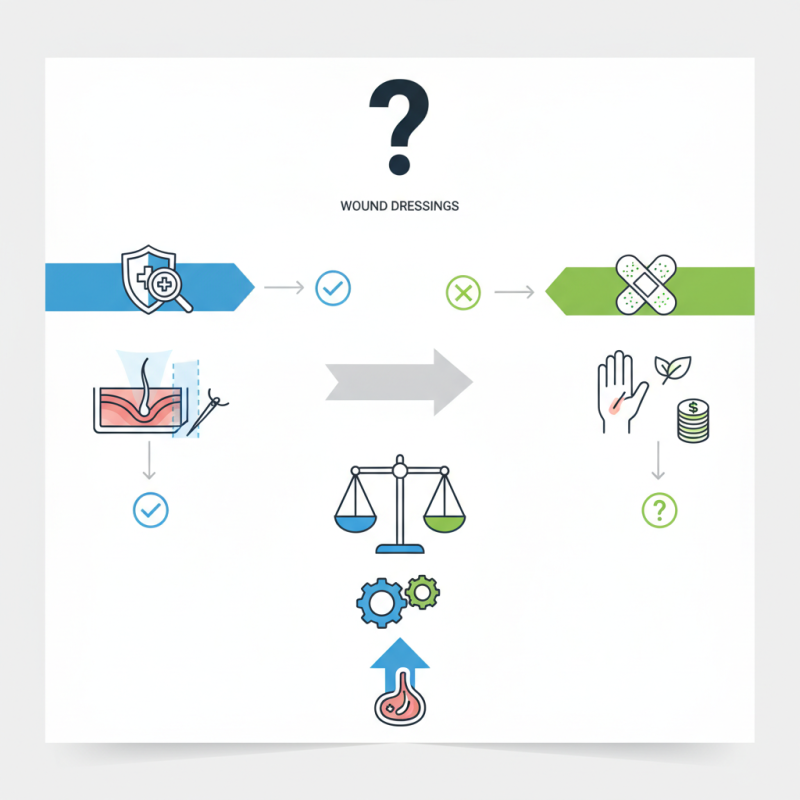
2026 How to Choose Between Sterile and Nonsterile Wound Dressings?

Understanding Wound Healing and Dressing Types

When it comes to wound healing, understanding the types of dressings is vital. Sterile and nonsterile dressings serve different purposes. According to the National Institutes of Health, effective wound care contributes significantly to healing rates. About 25% of chronic wounds can lead to infections if not treated properly.

Sterile dressings are crucial for fresh, open wounds. They prevent contaminants from entering and reduce infection risks. A study published in the Journal of Wound Care found that using sterile dressings can decrease the incidence of wound infections by up to 50%. This is particularly important for surgical wounds and traumatic injuries.

On the other hand, nonsterile dressings have their place in caring for clean, non-exposed wounds. They can absorb exudate and protect the area. However, they may not provide the same level of protection as sterile dressings. The choice depends on the nature of the wound and the healing environment. Some practitioners may overlook this distinction, leading to misunderstandings in wound management.

2026 How to Choose Between Sterile and Nonsterile Wound Dressings? - Understanding Wound Healing and Dressing Types

Dressing Type Sterility Use Case Cost Duration of Use
Hydrocolloid Dressing Nonsterile Low to moderate exudate, pressure ulcers $1.50 - $3.00 per dressing Up to 7 days
Foam Dressing Sterile Moderate to high exudate, post-operative sites $2.00 - $5.00 per dressing Up to 7 days
Alginate Dressing Sterile Highly exudating wounds, wounds with cavity $3.00 - $6.00 per dressing Up to 3 days
Hydrogel Dressing Nonsterile Dry wounds, necrotic tissue $2.50 - $4.50 per dressing Up to 5 days

Defining Sterile and Nonsterile Wound Dressings

Sterile and nonsterile wound dressings serve distinct purposes in wound care. Sterile dressings are free from pathogens. They prevent infections in open wounds. These dressings are vital for surgical sites and deep cuts. They are typically packaged in a sealed environment. This ensures that they remain uncontaminated until use.

Nonsterile dressings, on the other hand, are suitable for closed wounds or minor injuries. They are often used for dry, healing wounds. Since they can harbor bacteria, it’s crucial to apply them in clean conditions. The risk of infection can be higher with these dressings. Users should always inspect them for any damage or contamination before use.

Understanding the difference between these dressings is essential. Selecting the wrong type can lead to complications. Wound healing is critical and may require professional advice. This decision can affect recovery time and overall health. It’s worth reflecting on the proper use of each dressing type. Mistakes in wound care can introduce unnecessary risks.

Factors Influencing the Choice of Wound Dressings

Choosing between sterile and nonsterile wound dressings involves various factors. Understanding the specific nature of the wound is essential. For example, an open wound demands a sterile dressing to prevent infection. Nonsterile options may suffice for minor abrasions or dry wounds.

The healing environment plays a vital role. Sterile dressings reduce the risk of contamination in critical areas like surgical sites. Meanwhile, nonsterile dressings can be adequate in controlled environments. It's important to weigh the risks and benefits based on these conditions.

Patient comfort and ease of application are also key considerations. Some may prefer the convenience of nonsterile dressings. Others will focus on stability and protection that sterile options provide. Ongoing assessment of the wound's condition is crucial for making informed choices. This iterative process may reveal the need for a sudden change in dressing types.

Situations for Using Sterile Dressings Over Nonsterile

When selecting wound dressings, understanding when to use sterile over nonsterile is crucial. Sterile dressings are essential for open wounds, surgical incisions, and areas with a high infection risk. According to the Journal of Wound Care Management, nearly 25% of surgical site infections are linked to inadequate wound care practices. Sterile dressings help in significantly reducing this risk.

Situations that warrant sterile dressings often include post-operative care. In a study by the American Surgical Association, it was found that using sterile dressings on surgical sites led to a 30% decrease in postoperative infections. Additionally, sterile dressings are recommended for severe lacerations or abrasions, especially on individuals with compromised immune systems. In such cases, the extra protection is crucial.

However, using sterile dressings may sometimes lead to overprotection. This can foster a moist environment that, while beneficial, may also impede healing if not monitored closely. Balancing the need for sterility with adequate ventilation can be challenging. It requires trained healthcare professionals to evaluate and decide on the best practices for each situation. Thus, constant assessment and adaptation are necessary for optimal healing outcomes.

Guidelines for Selecting the Appropriate Dressing Type

When selecting between sterile and nonsterile wound dressings, understanding the wound type is crucial. Sterile dressings are ideal for acute wounds that are open, such as surgical sites or severe abrasions. A report from the World Health Organization indicates that improper dressing choices can lead to a 30% increase in infection rates. On the other hand, nonsterile dressings are suitable for closed wounds or minor abrasions where infection risk is lower.

Tips: Always evaluate the wound's condition. If there's any sign of infection, opt for sterile dressings. Consider the environment as well; sterile products work best in controlled settings, while nonsterile dressings can be effective at home.

When choosing a dressing, pay attention to absorption levels. Highly exudative wounds may require advanced dressings, while minimal exudate can be managed with simpler solutions. An analysis from the Journal of Wound Care suggested that 70% of caregivers feel unsure about their choice of dressings, highlighting a prevalent gap in knowledge. It's not uncommon to misjudge a wound's needs, leading to potential complications.

FAQS

: What are the main types of wound dressings?

: The two main types are sterile and nonsterile dressings. Each serves different purposes based on the wound type.

When should I use sterile dressings?

Sterile dressings are essential for fresh, open wounds and surgical sites to prevent infections.

What is the risk of using nonsterile dressings?

Nonsterile dressings might not provide adequate protection for open wounds. They can expose wounds to potential contaminants.

How often should I assess the wound’s condition?

Ongoing assessment is crucial. It can reveal if a dressing type should be changed based on healing progress.

Can sterile dressings sometimes hinder healing?

Yes, sterile dressings can create a moist environment. This may impede healing if not monitored properly.

What factors influence the choice of dressings?

Factors include the wound type, healing environment, patient comfort, and ease of application for the dressing.

How can I reduce infection risks in surgical wounds?

Using sterile dressings can significantly decrease infection rates in surgical wounds, providing essential protection.

Are nonsterile dressings ever sufficient?

Yes, nonsterile dressings may be adequate for minor abrasions or dry, clean wounds.

What is a potential issue with overuse of sterile dressings?

Overprotection can lead to excessive moisture, complicating the healing process if not regularly evaluated.

What is the importance of patient comfort when selecting dressings?

Patient comfort contributes to better compliance. Some may prefer the convenience of nonsterile options over sterile ones.

Conclusion

In the process of wound healing, the choice of dressing plays a critical role. The article explores two main types of dressings: sterile and nonsterile. A key question addressed is "What is the difference between sterile and non-sterile wound dressings?" Sterile dressings are designed to prevent infection by being free from microorganisms, making them suitable for open or surgical wounds. In contrast, nonsterile dressings may be used for minor wounds or abrasions where infection risk is lower.

Several factors influence the decision between the two types, including the nature and location of the wound, the risk of infection, and the healing environment. Situational guidelines recommend using sterile dressings for deep wounds or when invasive procedures are involved, while nonsterile dressings can be effective for superficial injuries. Understanding these factors helps healthcare providers select the most appropriate dressing, ensuring optimal healing and patient safety.

Sienna

Sienna

Sienna is a skilled marketing professional with a deep expertise in our company’s core products and services. With a passion for innovation and detail, she plays a pivotal role in crafting insightful blog posts that not only highlight the unique features of our offerings but also provide valuable......