GreenPlus Medical
Attending the 139th Canton Fair provides a unique opportunity for healthcare professionals to explore innovations in the medical field, especially in the realm of enteral nutrition. Dr. Sarah Chen, an expert in enteral feeding systems, emphasizes, “Choosing the right Enteral Feeding Pump is crucial for patient safety and comfort.” This highlights the importance of making informed decisions when selecting equipment for patient care.
As the demand for enteral feeding continues to grow, the fair showcases various products that meet industry standards. With advanced AI features implemented in the 2026 edition, buyers can efficiently locate suppliers meeting essential qualifications, such as ISO and CE certifications. This technological integration enhances the experience for participants exploring the Enteral Feeding Pump sector.
In navigating the extensive exhibition space, healthcare professionals must remain vigilant. While many products may appear similar, understanding their specifications is vital. It’s essential to ask questions and seek clarity on features and usability. This proactive approach could prevent future issues in patient care and ensure the chosen Enteral Feeding Pump aligns with clinical needs.
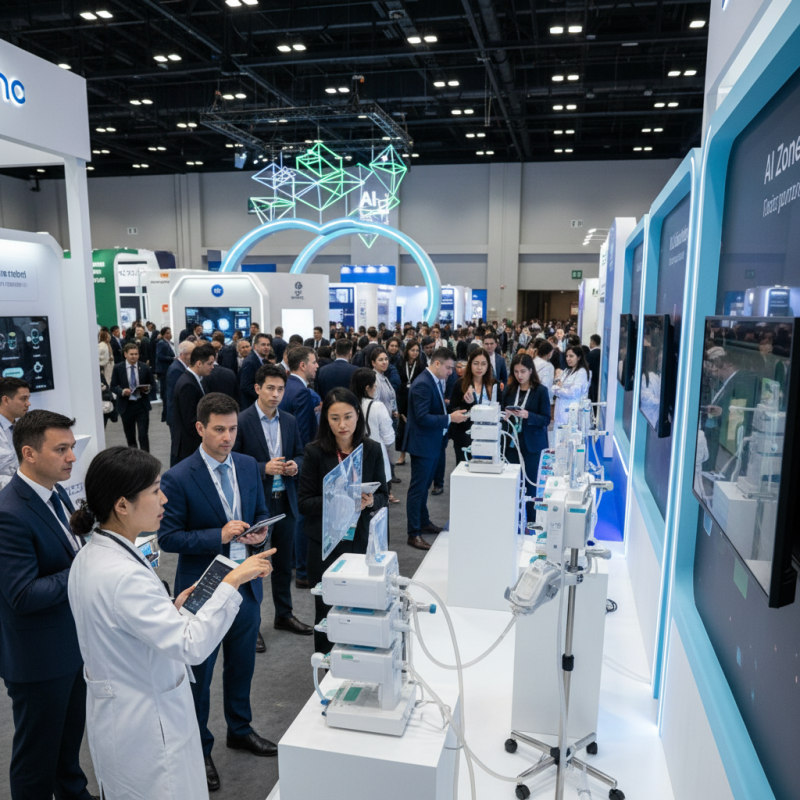
Enteral feeding pumps are essential for providing nutrition to patients who cannot eat by mouth. These pumps vary in types and functions, catering to diverse medical needs. There are volumetric pumps, which deliver precise amounts of nutrition. They often have programmable settings, making them user-friendly for caregivers. Small, portable pumps are also available, allowing for freedom of movement, important for active patients.
When choosing an enteral feeding pump, consider specific needs. Not all pumps work the same way. Some may have alarms for blockages or low battery, enhancing patient safety. The ease of cleaning and maintenance should also be a priority. A pump that is difficult to clean may lead to infection or malfunctions.
Navigating through options can be overwhelming. One may not know the exact features needed. Understanding the specifics of each pump is crucial. Conditions vary among patients, and not every pump fits every scenario. It might require consultation with a healthcare professional to determine the best options. Be prepared for some trial and error before finding the ideal choice.
This chart illustrates the various types of enteral feeding pumps and their respective usage frequency in clinical settings. Continuous feeding is the most commonly used method, while pump feeding has the least application.
Choosing the right enteral feeding pump at the 139th Canton Fair can be challenging. Several key features can greatly impact the decision. One important factor is the pump's accuracy in delivering nutritional formulas. Accuracy matters for patient safety and can prevent complications.
Another feature to consider is the pump’s user interface. A simple, intuitive design can make a difference. Complex interfaces can lead to errors, especially under pressure. Look for pumps with clear displays and easy-to-navigate menus. Ease of use is crucial for healthcare professionals.
Tips to remember: Check the battery life. A longer battery ensures uninterrupted feeding sessions. Examine warranty options too; they can save costs on repairs. Don't overlook the size and weight of the pump. Portability can be essential for home care.
Consider how easy the pump is to clean. Maintaining hygiene is vital in enteral feeding. Mistakes can happen with poorly designed models. This can be problematic, affecting safety and health outcomes. Take your time at the fair to compare various options. Ask questions and see demonstrations when possible.
The demand for enteral feeding pumps in 2023 has surged significantly. Industry reports indicate that the global market size for enteral feeding systems is projected to grow at a CAGR of around 5.8% through the next five years. This trend reflects a heightened awareness of nutrition's role in patient recovery. More hospitals are adopting enteral feeding as a vital part of care for patients who cannot consume food orally.
Innovations in this field also play a crucial role in shaping market trends. Manufacturers are incorporating smart technology in pumps. These advancements include features like automatic notifications and remote monitoring. Data indicates that over 70% of healthcare providers prefer pumps that enhance patient safety. Yet, not every innovation meets user expectations. Some healthcare workers report challenges in usability and reliability, calling for more user-centered designs.
Market competition is intensifying. This environment encourages both established and emerging companies to bring solutions to the table. Some practitioners express concerns about navigating the variety of options available. In a complex landscape, selecting the right enteral feeding pump can be daunting. Balancing innovation with practicality is key to meeting patient needs effectively.
| Feature | Details |
|---|---|
| Market Demand Growth | 15% increase year-on-year |
| Key Innovations | Smart technology integration, remote monitoring |
| Popular Features | User-friendly interface, customizable settings |
| Target User Groups | Hospitalized patients, home care patients |
| Price Range | $800 - $3500 |
| Regulatory Standards | ISO 13485, FDA compliant |
| Distribution Channels | Direct sales, online platforms, medical supply stores |
Choosing the right enteral feeding pump involves comparing different brands. Each brand offers unique features and capabilities. It’s essential to evaluate design, user-friendliness, and monitoring systems. Some pumps have advanced programming options, while others focus on simplicity. A complex interface might confuse caregivers.
Consider the reliability of each pump. Brands often boast of accuracy in delivering nutrition. However, user reviews may reveal inconsistencies. Look for feedback on maintenance needs and potential flaws. For example, certain pumps may require frequent recalibration.
Safety features are also important. Some models include alarms for blockages or low feed levels. Yet, not all brands perform equally. Exploring these details at the Canton Fair can provide deeper insights. Don’t rush the decision. Taking time to compare will result in a better choice.
When selecting an enteral feeding pump at the 139th Canton Fair, understanding regulatory standards is crucial. Enteral feeding pumps ensure nutrients are delivered accurately. The International Organization for Standardization (ISO) states that medical devices must comply with strict safety standards. Non-compliance can lead to serious health risks. Reports indicate that 15% of recalled medical devices relate to safety issues.
Safety evaluations focus on potential hazards and user error. A 2022 survey showed that 30% of healthcare providers reported difficulties in using feeding pumps. Training and clear instructions are essential. The European Medical Device Regulation (MDR) emphasizes proper labeling and user manuals, which can help prevent misuse.
Moreover, consider durability and maintenance. Studies reveal that malfunctioning devices can lead to feeding interruptions. Regular maintenance checks can mitigate this risk. Investing in quality devices might seem costly initially, but it reduces long-term complications. Without adequate standards, patients may not receive the intended nutrition.
: Look for accuracy in delivering nutritional formulas. This impacts patient safety and helps prevent complications.
A simple, intuitive design is crucial. Complex interfaces can lead to errors, especially in high-pressure situations.
Longer battery life ensures uninterrupted feeding sessions. It helps to avoid disruptions in patient care.
Evaluate how easy the pump is to clean. Good hygiene is essential to ensure patient safety and health outcomes.
Smart technology features, like remote monitoring, are becoming more common. These can enhance patient safety in many cases.
Increased competition leads to more options. However, it can also create confusion about which pump is the best choice.
Some healthcare workers report usability challenges. They call for designs that focus more on user experience.
Warranties can save costs on repairs. It's an important aspect to consider when evaluating different options.
User reviews can reveal insights about reliability. Look for reports on maintenance and common issues experienced by users.
No, take your time to compare various options at events like trade fairs. Careful consideration leads to better choices.
When selecting an enteral feeding pump, it's essential to understand the different types and functions these devices offer. Enteral feeding pumps are critical tools in providing nutrition to patients who cannot eat by mouth. During the 139th Canton Fair, key features such as user-friendliness, programmable settings, and compatibility with various feeding formulas should be prioritized.
Market trends in 2023 indicate a growing demand for innovative enteral feeding pumps that enhance patient comfort and safety. A comparative analysis of leading brands highlights advancements in technology and design that cater to diverse patient needs. Additionally, adherence to regulatory standards is crucial to ensure the safety and efficiency of enteral feeding pumps, particularly in clinical settings. Overall, careful consideration of these factors will facilitate informed decision-making when choosing an enteral feeding pump.