 GreenPlus Medical
GreenPlus Medical
GreenPlus Medical
Proper waste management in healthcare is vital. It prevents contamination and protects public health. Experts agree on the importance of a color-coded system. Dr. Sarah Thompson, an authority in medical waste management, states, “Color coding simplifies waste segregation and enhances safety.”
So, why is color-coding important in medical waste management? Different colors denote various types of waste. Sharps go in red containers, while biohazardous materials are often marked with yellow. This clear distinction helps staff identify waste quickly. Mismanagement can lead to serious health risks.
Many facilities still struggle with adherence to color-coding guidelines. Staff training and ongoing education are crucial for compliance. Too often, the lack of knowledge leads to mistakes. Effective waste management relies on everyone doing their part. The need for a solid understanding of color-coding in medical waste management cannot be overstated.
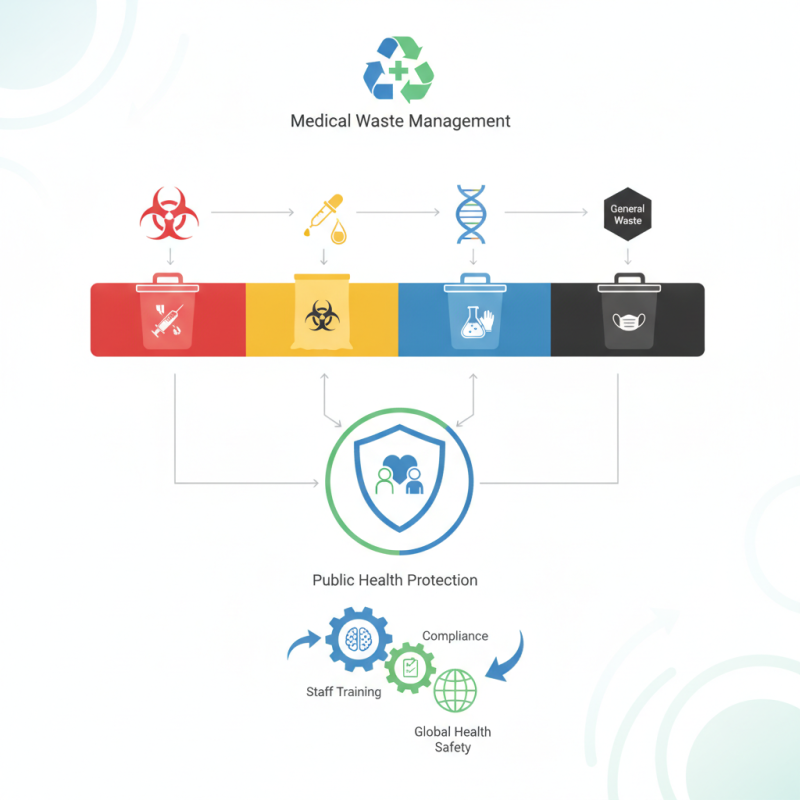
Medical waste presents a significant challenge to healthcare facilities. Understanding its types and associated risks is vital for effective management. Medical waste is classified into several categories. Infectious waste, sharps, and hazardous materials pose the highest risks. Each category has distinct characteristics and handling requirements.
Infectious waste includes discarded items that can transmit pathogens. This includes contaminated gloves, dressings, and surgical instruments. Proper disposal of these items helps prevent the spread of infections.
Sharps, such as needles and scalpels, require special attention due to the risk of injury and infection. They must be disposed of in puncture-proof containers.
Hazardous waste, including chemical or pharmaceutical waste, poses environmental risks. These materials can contaminate soil and water if not disposed of correctly. The lack of awareness around these waste types can lead to improper handling, potentially causing harm. Institutions should invest in training staff on waste categorization to improve safety. This knowledge empowers healthcare workers to take responsibility for their waste management practices.
: Medical waste refers to discarded materials from healthcare facilities. It poses various risks if not managed properly.
Infectious waste, sharps, and hazardous materials pose the highest risks. Each requires specific handling precautions.
Infectious waste can transmit pathogens. Disposing of gloves and surgical instruments correctly helps prevent infection spread.
Sharps, like needles, must be placed in puncture-proof containers to avoid injury and infection risks.
Chemical and pharmaceutical wastes can contaminate soil and water. This can lead to long-term environmental damage.
Training on waste categorization is vital. Increased awareness helps workers take responsibility for their disposal methods.
Color coding clarifies waste types and reduces cross-contamination risks. It is essential for safety in healthcare settings.
Regular audits help identify misplacement and misidentification issues. These feedback loops can enhance the waste management system.
Insufficient training may lead to confusion and misclassification. Continuous education is necessary to reduce these issues.
Facilities can track waste disposal errors and sorting time. Improvements indicate effective implementation of color-coded protocols.
Effective medical waste management is vital for safeguarding public health and the environment, which is why color coding plays a crucial role. Understanding different types of medical waste and the associated risks helps institutions categorize waste properly, minimizing the potential for contamination and exposure. Color coding simplifies waste segregation in healthcare settings, ensuring that hazardous materials are disposed of correctly, thus enhancing worker safety and ensuring compliance with regulations.
Implementing best practices for color coding can lead to significant improvements in operational efficiency and safety. Success stories from various healthcare facilities demonstrate how effective color coding systems have streamlined waste management processes and reduced incidents of mishandling. Ultimately, the question remains: Why is color-coding important in medical waste management? It serves not only as an organizational tool but also as a critical measure for ensuring compliance, protecting healthcare workers, and promoting a safer environment for all.
