GreenPlus Medical
The importance of enhancing patient comfort during long-term intubation is a growing concern in modern healthcare. According to a recent report by the World Health Organization, nearly 15% of patients requiring intubation experience significant discomfort, which can lead to prolonged recovery times. Healthcare professionals are now challenged to explore effective strategies to combat this issue.
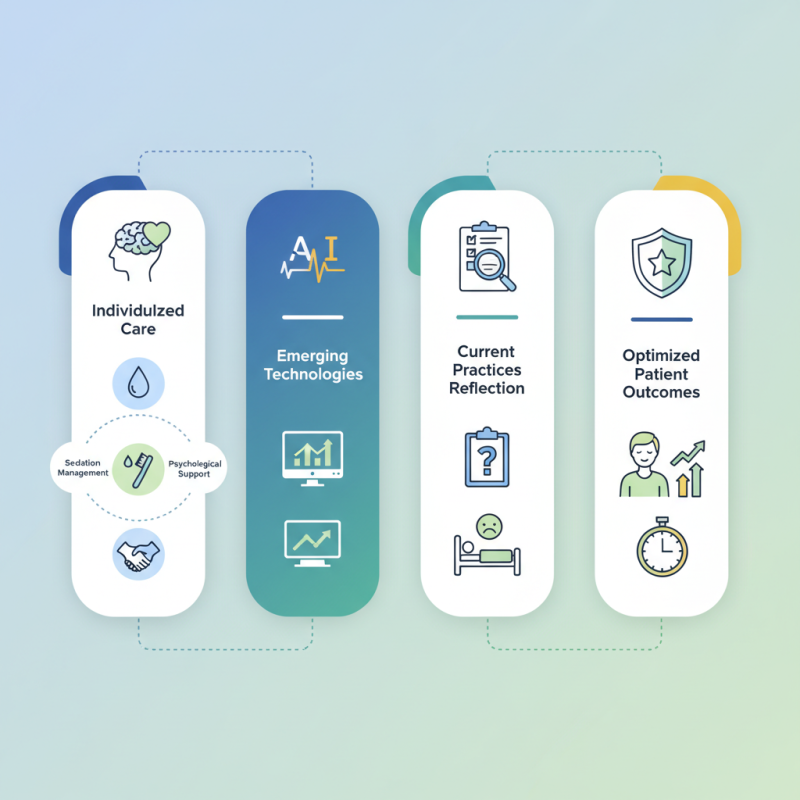
Dr. Emma Thompson, an expert in critical care, stated, "How to improve patient comfort during long-term intubation? The answer lies in a tailored approach." This emphasizes the need for individualized care plans. Factors such as sedation management, oral care, and psychological support play a vital role.
Moreover, emerging technologies like AI can assist in monitoring and improving the experience of intubated patients. However, it is crucial to reflect on current practices. Many facilities still lack comprehensive protocols for managing comfort, leading to potential patient distress. Addressing these gaps is essential for optimizing patient outcomes.
Long-term intubation can be uncomfortable for patients. Addressing this discomfort is crucial for their overall well-being. One strategy is to use soft, comfortable materials for the tube and securing devices. This can minimize irritation on the skin and mucous membranes. Regular assessments of the patient's comfort level can help in adjusting the approach based on individual needs.
Another effective strategy is providing adequate sedation and pain management. Doctors can tailor medication to each patient’s requirements. Patients should be informed about their treatment options. Encouraging them to express their feelings can promote a sense of control. Conversations are important, yet many caregivers overlook them.
Physical positioning also matters. Frequent changes in position can relieve pressure and improve comfort. For some patients, a slight elevation of the head may reduce discomfort. However, this should be balanced with safety needs. Reflecting on these aspects can lead to better strategies, ensuring that the focus remains on patient comfort and care.
Long-term intubation can be a daunting experience for patients. Emotional stress often complicates their recovery. Therefore, providing psychological support is crucial in enhancing their overall comfort. A compassionate approach can make a significant difference. Simple gestures like holding their hand or offering a reassuring smile can create a sense of connection.
Active communication is vital. Regularly explaining procedures can ease anxiety. Using calming language helps patients feel more in control. It’s essential to allow patients to express their feelings. Listening actively can foster trust and emotional relief. Sometimes, just a nod or a soft tone can convey understanding.
Incorporating creativity can enhance support as well. Art therapy or guided visualizations offer distraction and comfort. However, there are challenges. Not every method works for everyone. Some patients may resist help or feel isolated despite efforts. Acknowledging these difficulties is important for caregivers. Adaptability and patience are key in this sensitive environment.
Long-term intubation can be a challenging experience for patients. They often struggle with discomfort, anxiety, and various physiological issues. Recent advancements in medical equipment aim to address these concerns and enhance patient comfort. Innovative ventilators now offer personalized settings. These devices can adjust to a patient’s profile, promoting better lung function and reducing discomfort. A study by the American Association for Respiratory Care found that 75% of patients reported an increase in comfort levels with these new devices.
In addition, specialized airway management tools are emerging. Soft, adjustable cuff designs can minimize pressure sores and improve overall comfort. Some models allow for automatic adjustments based on patient movement. According to a survey by the World Health Organization, 60% of healthcare professionals believe that these advancements can significantly improve the intubation experience. However, not all hospitals have integrated this technology. This raises questions about accessibility and standard of care.
Patient education is also vital. Many patients may not understand the purpose of long-term intubation. Better communication strategies are needed to ease their minds. A significant portion of patients, around 30%, experience anxiety when intubated, according to a recent mental health report. Despite these advancements, the emotional and psychological aspects often remain overlooked. Addressing this gap is crucial for holistic patient care.
Long-term intubation can pose significant challenges for patients,
particularly regarding nutrition. Adequate nutrition is essential for healing
and overall comfort. However, the process of providing nutrition can be complicated. Patients may have limited
ability to communicate their needs, which can lead to inadequate intake.
Feeding methods must be carefully considered. Enteral feeding is often preferred for long-term
intubated patients. Specialized formulas can meet their caloric and protein needs. However, monitoring
is crucial. We must observe for potential gastrointestinal complications. Patients may experience discomfort,
nausea, or aspiration if the feeding is not managed properly.
It's essential to individualize nutritional plans. Each patient has unique needs and tolerances.
Regular assessments can help in adjusting calorie and fluid intake. Family involvement can also enhance care.
They can provide insights into the patient’s preferences and habits. Nevertheless, determining the right
approach always requires reflection and adjustment. It's a constant process
of learning and adapting.
Training healthcare staff in patient-centered intubation care is essential for enhancing long-term patient comfort. Effective communication is crucial. Staff should learn to explain procedures clearly. Patients need to understand their condition and what to expect. This understanding can reduce anxiety significantly. Using simplified language makes a difference. Staff can practice empathy through role-playing scenarios. Training sessions should incorporate real-life experiences.
Hands-on training in intubation techniques can also improve comfort. Staff should learn to create a soothing environment. This includes adjusting room lighting and minimizing noise. Encouraging staff to check on patients frequently fosters a sense of care. It is important for the team to recognize signs of distress. This requires keen observation and active listening skills. Regular feedback and discussions about comfort levels should be part of the training.
Even with the best intentions, mistakes happen. Staff may overlook a patient’s discomfort or fail to address their fears. These moments require reflection and improvement. Sharing these experiences can foster a supportive learning environment. Continuous education and practice are crucial. The goal is to ensure every patient feels acknowledged and comfortable during their intubation journey.
: Adequate nutrition supports healing and comfort. It helps meet overall health needs during recovery.
Enteral feeding is often preferred. It utilizes specialized formulas for meeting caloric and protein needs.
Regular assessments help tailor calorie and fluid intake. Each patient's needs and tolerances vary significantly.
Family involvement enhances care. Families can provide insights into the patient’s preferences and habits.
Staff should explain procedures clearly. Using simplified language reduces anxiety and helps patients understand their condition.
Staff can create a soothing environment. Adjusting lighting and minimizing noise can greatly improve comfort levels.
Practical training improves intubation techniques. It prepares staff for real-life scenarios and enhances patient interactions.
Keen observation and active listening are vital. Frequent check-ins foster a sense of care and acknowledgment.
Mistakes can happen, such as overlooking a patient’s discomfort. Reflecting on these moments helps improve future care.
Sharing experiences creates a supportive environment. Continuous education and practice are essential for growth.
In addressing the question of "How to improve patient comfort during long-term intubation?", several strategies can be implemented to enhance the overall experience for patients. Firstly, healthcare providers can adopt various comfort-enhancing techniques, including regular repositioning, ensuring optimal oral and nasal care, and employing sedation protocols that minimize discomfort. Psychological support is also crucial; offering reassurance and communication to intubated patients can alleviate anxiety and improve their emotional well-being.
Moreover, advancements in medical equipment have made it possible to create a more comfortable environment for patients, such as utilizing softer endotracheal tubes and employing humidified air to reduce throat irritation. Nutritional considerations play a vital role, too, as appropriate feeding methods must be established to meet the patients' needs without causing additional discomfort. Lastly, training healthcare staff on patient-centered care practices will empower them to effectively respond to the unique needs of intubated patients, ensuring that comfort remains a top priority throughout the intubation process.
