GreenPlus Medical GreenPlus Medical

How to Ensure Long Term Reliability of Anesthesia Machines

Time:2026-09-01 Author:Charlotte
0%

Anesthesia machines are critical in modern healthcare. Their reliability directly impacts patient safety and surgical outcomes. According to a recent report by the American Society of Anesthesiologists, up to 12% of equipment failures can lead to serious complications. Therefore, understanding "How to maintain anesthesia machines for long-term reliability?" is essential for all medical facilities.

Dr. Emily Carter, a leading expert in anesthesia technology, states, "Regular maintenance and thorough inspections are key to preventing unexpected failures." Her insight emphasizes the importance of a structured maintenance program. A reliable machine not only ensures efficient gas delivery but also functions as a safeguard against potential errors.

Neglecting routine checks can result in hidden issues, possibly compromising patient safety. For example, worn-out valves or faulty monitors may go unnoticed. Hence, incorporating a proactive approach to maintenance is vital. It’s not just about fixing problems; it’s about preventing them. As healthcare evolves, so must our strategies for ensuring the long-term reliability of anesthesia machines.
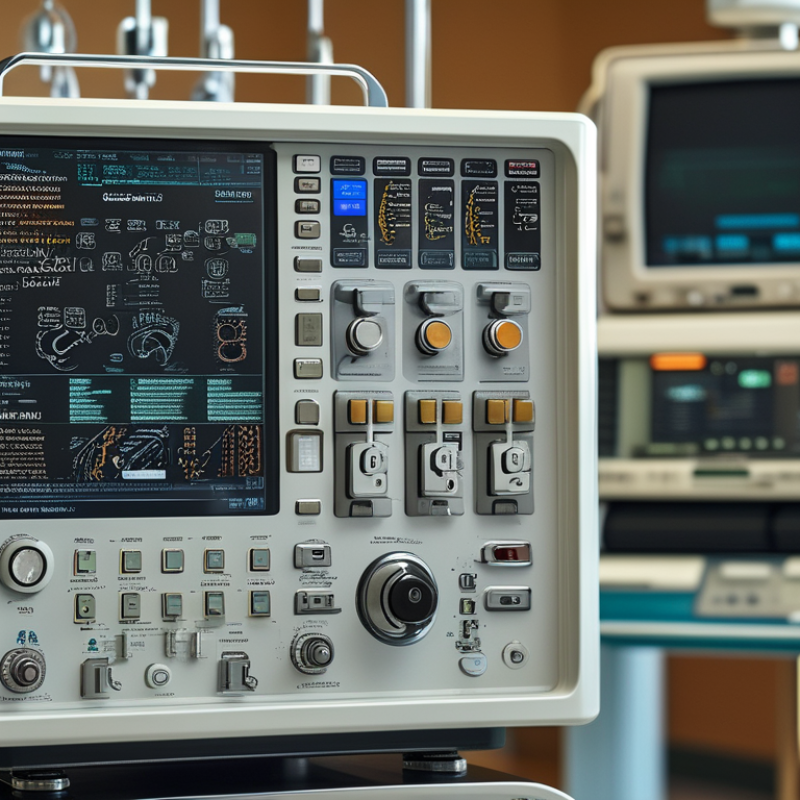
How to Ensure Long Term Reliability of Anesthesia Machines

Factors Influencing the Longevity of Anesthesia Machines

The longevity of anesthesia machines is influenced by various factors that are critical for their reliability. Regular maintenance is key. According to a 2022 study by the American Society of Anesthesiologists, routine checks can prevent up to 70% of equipment failures. Ensuring that machines undergo annual assessments can extend their lifespan significantly. Dust and moisture can also affect components, leading to early malfunctions. Hospitals should prioritize controlled environments for equipment storage.

Another significant aspect is staff training. Inadequate use of anesthesia machines can lead to premature wear. A 2021 report revealed that improper handling contributes to nearly 20% of equipment degradation. Continuous education and training can mitigate this risk. Engaging healthcare professionals in maintenance protocols improves their operational knowledge. Regular training sessions can foster a culture of care around equipment usage and management.

Furthermore, technological advancements can enhance reliability. Machines that incorporate preventive analytics can alert users to potential issues before they escalate. A 2023 industry survey found that facilities using advanced analytics reported a 40% reduction in downtime. Investing in such technology is not just about cost but also about the long-term benefits for patient safety and machine reliability. A balance between cutting-edge tech and routine practices is essential for achieving optimal performance.

Routine Maintenance Practices for Anesthesia Equipment Reliability

Routine maintenance of anesthesia machines is essential for ensuring their long-term reliability. Regular checks help identify wear and tear. For instance, monitoring oxygen sensors, flow meters, and vaporizer function should be part of daily tasks. Technicians must calibrate devices according to protocols. This reduces the risk of malfunction during surgeries.

Calibration alone isn't enough. Filters, tubing, and power supplies should be inspected weekly. Cleaning is vital too. Remove debris and disinfect surfaces to maintain hygiene. Regular training for staff can enhance understanding of equipment behavior. However, not all problems are predictable, and frequent malfunctions might occur. Identifying these patterns can improve future practices.

Documentation plays a crucial role in maintenance. Accurate records can reveal trends that help to prevent issues. Sometimes, not all repairs are straightforward. Technicians may face unique challenges. Reflecting on these experiences can lead to better problem-solving skills. Regular feedback sessions can also assist in refining procedures, pushing for continuous improvement.

Impact of Technology Advancements on Anesthesia Machine Durability

Advancements in technology have significantly changed the landscape of anesthesia machine durability. Modern machines are designed with better materials and components that resist wear and tear. These innovations improve performance and extend the lifespan of devices. Regular software updates also enhance functionalities, helping to avoid potential failures during critical procedures.

Despite these improvements, challenges remain. Some equipment may not integrate well with newer technologies. Inadequate training of staff can lead to misuse, which affects reliability. Moreover, over-reliance on technology can result in overlooking basic maintenance. Users need to address these concerns to ensure machines perform consistently and safely.

A hands-on approach is crucial. Regular inspections of anesthesia machines can catch issues early. Training programs should emphasize responsibility in technology use. Continuous education helps staff stay current and reduces risks. While technology offers many benefits, a balance between innovation and traditional practices is required for optimal performance.

Importance of Calibration and Testing for Optimal Machine Performance

Regular calibration and testing of anesthesia machines play a critical role in ensuring their long-term reliability. Studies indicate that approximately 20% of anesthesia equipment fails during use due to improper calibration. This highlights the need for routine checks to maintain functionality. Scheduled testing can significantly enhance accuracy, ensuring that machines dispense the correct dosage of anesthetics.

The American Society of Anesthesiologists recommends that all anesthesia machines undergo checks at least annually. These checks can identify potential issues before they escalate into major failures. Regular calibration helps to align the machine’s readings with established standards. Over time, components may wear out or deviate from optimal performance, leading to the risk of clinical consequences.

Documentation and adherence to testing protocols foster accountability and improve overall safety in healthcare environments. Hospitals that consistently calibrate their machines report improved patient outcomes. Notably, 15% of incidents in anesthesia-related complications are linked to equipment failures. This data stresses how systematic maintenance and testing can mitigate risks, ensuring that anesthesia machines perform reliably for the duration of their service life.

Long Term Reliability of Anesthesia Machines: Calibration and Testing Impact

This bar chart illustrates the calibration and testing frequency of anesthesia machines from 2019 to 2023. Regular calibration and testing are critical for ensuring the optimal performance and long-term reliability of these machines, thereby enhancing patient safety during anesthesia procedures.

Training and Protocols for User Care of Anesthesia Devices

Training and protocols are crucial for the effective use of anesthesia machines. Proper training ensures that users understand the device's functionalities. It covers setup, operation, and troubleshooting. Regular training sessions help keep skills fresh. Engaging scenarios during training can enhance learning, but consistent practice is essential.

Protocols serve as a reliable guide for user care. They should outline daily checks and maintenance tasks. For example, routine inspections of circuits and interfaces can prevent potential failures. Users must also familiarize themselves with emergency procedures to handle malfunctions effectively. Regular audits of these protocols identify gaps in knowledge. This continuous reflection is vital for improvement.

It's important to encourage an environment where questions and concerns are welcomed. Users may hesitate to report issues due to fear of criticism. Creating an open dialogue fosters transparency. Anesthesia machines should be treated as evolving tools, where each user learns from past experiences.

FAQS

: Why is routine maintenance important for anesthesia machines?

: It helps ensure long-term reliability and identifies wear and tear.

What daily tasks should technicians perform on anesthesia equipment?

They should monitor oxygen sensors, flow meters, and vaporizer function.

How often should filters and tubing be inspected?

Filters and tubing should be checked weekly for wear and efficiency.

Why is cleaning crucial in anesthesia maintenance?

Cleaning removes debris and disinfects surfaces, promoting hygiene and safety.

What role does documentation play in equipment maintenance?

Accurate records help reveal trends and prevent future issues with equipment.

What is a potential issue with modern anesthesia machines?

Some equipment may not work well with newer technologies, causing integration problems.

How can staff training impact anesthesia machine reliability?

Inadequate training can lead to misuse, affecting the machines' performance and safety.

What should technicians be mindful of when using technology?

Over-reliance on technology may lead to neglecting basic maintenance tasks.

How can continuous education benefit anesthesia staff?

It helps staff stay informed and reduces operational risks in using equipment.

What should be balanced for optimal anesthesia machine performance?

A balance between technology advancements and traditional maintenance practices is necessary.

Conclusion

To ensure long-term reliability of anesthesia machines, it is essential to consider various factors that influence their longevity. Key aspects include routine maintenance practices that prevent wear and tear, such as regular cleaning, component checks, and system updates. Additionally, advancements in technology play a significant role in enhancing the durability of these critical healthcare devices, making them more resistant to malfunctions.

Furthermore, calibration and testing are crucial for optimal performance, ensuring that machines function accurately and safely during use. Implementing comprehensive training protocols for users also contributes to the machines' reliability, as informed operators are better equipped to recognize potential issues. Therefore, understanding "How to maintain anesthesia machines for long-term reliability?" involves a combination of diligent upkeep, technological integration, and user education to extend the lifespan of these vital medical tools.

Charlotte

Charlotte

Charlotte is a seasoned marketing professional with a deep understanding of the company's portfolio and a passion for elevating its presence in the market. With a keen eye for detail and a commitment to excellence, she ensures that our professional blog is regularly updated with insightful articles......