GreenPlus Medical GreenPlus Medical

10 Essential Tips for Safe Disposal of Used Medical Disposables at Home?

Time:2026-05-09 Author:Isabella
0%

Disposing of used medical disposables at home can seem daunting. However, understanding the basics is crucial for safety. Dr. Emily Chang, a leading expert in public health, emphasizes, “Improper disposal of medical waste can lead to harmful consequences.”

How to dispose of used medical disposables safely at home? This question resonates with many caregivers and families managing health conditions. Medical items like syringes, bandages, and gloves hold potential hazards if not handled correctly. Each item requires special attention to prevent contamination or injury.

Consider the risks involved. A simple misstep could lead to spreading infections or exposing others to dangerous materials. Taking the time to educate oneself on proper disposal methods is vital. It reflects responsibility and care for your community’s health. Right methods help contain waste safely and reduce environmental impact. The focus should always be on safety, keeping information accurate and accessible for everyone involved.
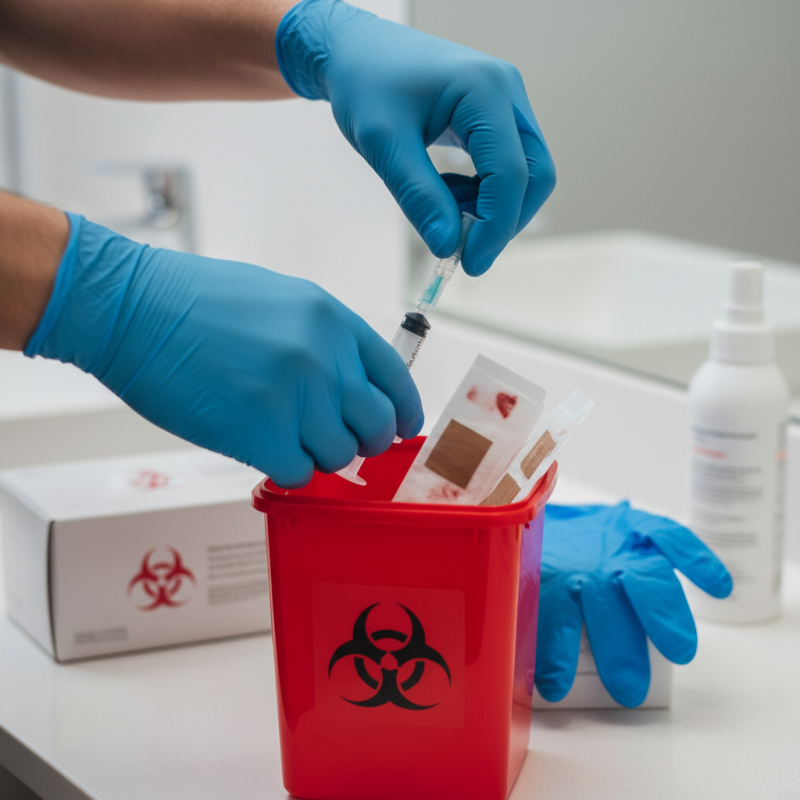
10 Essential Tips for Safe Disposal of Used Medical Disposables at Home?

Understanding the Importance of Safe Disposal of Medical Disposables

When it comes to managing used medical disposables at home, understanding safe disposal methods is crucial. Unattended, these items can become health hazards. They may carry germs or sharp edges, leading to injuries or infections. Especially for households with children or pets, improper disposal raises safety concerns. Discarded items can easily end up in the wrong hands, causing potential harm.

Many people may toss disposables in regular trash bags. This is not safe. Instead, there are specific practices to follow. Use puncture-proof containers for sharps. Clearly label these containers to avoid accidental contact. It's important to educate family members about these dangers. Awareness can prevent accidents and promote a culture of safety at home.

Moreover, consider local regulations for disposal. Some areas offer take-back programs for medical waste. Engaging with community services can enhance safety measures. Continuous learning is vital. Reflecting on one’s disposal habits may uncover gaps. Are you sealing containers properly? Are you cautious about where waste is disposed of? Addressing these aspects contributes to overall safety in managing medical disposables.

10 Essential Tips for Safe Disposal of Used Medical Disposables at Home

Identifying Common Household Medical Disposables That Require Special Care

When it comes to healthcare at home, many household items require special disposal methods. For example, used syringes, lancets, and IV bags fall under this category. According to the World Health Organization, improperly disposed of sharps can lead to needlestick injuries, which pose a risk for infections. Practicing safe disposal is crucial for both health and environmental safety.

Households often overlook common items like wound dressings and gloves. These disposables can harbor bacteria if not treated properly. The Centers for Disease Control and Prevention (CDC) recommends placing these items in a puncture-proof container. Moreover, research indicates that improper disposal of medical waste can contribute to air and water pollution. This makes it vital to educate all household members on safe disposal practices.

Many people struggle to find appropriate disposal options. Local regulations vary widely. Some communities provide specialized containers for sharps. Others encourage residents to take waste to collection sites. Understanding these guidelines is essential. It's not just about convenience. Safe disposal is about protecting your loved ones and the environment.

Best Practices for Separating Medical Disposables from Regular Waste

Disposing of medical disposables properly is crucial for home safety. According to the World Health Organization, inappropriate disposal can lead to infections or injuries. Used syringes, bandages, and other items should never mix with regular trash. Keeping them separate minimizes health risks and prevents environmental contamination.


Educating your household on best practices is essential. Use puncture-proof containers for needles. Label these containers clearly. Many regions suggest disposal in specific bins, making it easier for waste management to handle. A study by the Environmental Protection Agency indicates that improper disposal can contribute to over 100,000 injuries annually.


It's important to assess your disposal methods regularly. Some might think they can simply throw items away without care. This reflects a misunderstanding of the risks involved. Regular checks on your disposal practices can help identify areas for improvement, fostering a safer environment for everyone involved.

Methods for Safely Containing and Storing Used Medical Disposables

When dealing with used medical disposables, proper containment and storage are crucial. Many households overlook the hazards associated with these items. According to the World Health Organization, improper disposal can lead to infections and environmental contamination. To mitigate these risks, it is essential to have a designated, secure area for storage until disposal.

Utilizing puncture-resistant containers is fundamental. These containers can safely hold used needles, syringes, and bandages. It's recommended that containers be clearly labeled and closed tightly to prevent leakage and accidental exposure. A study from the Center for Disease Control and Prevention indicates that contaminated items should be sealed until they can be disposed of properly, minimizing the risk of infection.

In addition, households should educate members on the importance of safe disposal practices. It is troubling that many people still dispose of medical waste casually. Regularly review and adjust your methods for containment and storage. It is important to reflect on these practices; after all, maintaining a safe environment starts at home.

Local Regulations and Resources for Disposal of Medical Waste at Home

When disposing of used medical disposables at home, understanding local regulations is crucial. Many municipalities have specific guidelines for medical waste. This ensures safety for both residents and the environment. Research local disposal methods. Some areas offer designated drop-off locations for sharps or biohazard materials. Call your local waste management office for accurate information.

Resources for medical waste disposal vary by location. Some communities provide collection events to help residents. These allow safe disposal while reducing risks. Use a puncture-proof container for sharps. Label it clearly to avoid confusion. However, many individuals may overlook checking local resources, leading to unsafe disposal practices. Reflect on your area’s specific regulations to stay compliant.

Consider community education programs that raise awareness about safe disposal. Engaging in these initiatives helps foster a culture of responsibility. Not every household has access to proper disposal information. Misunderstandings can result in harmful consequences like contamination. Foster ongoing learning about waste disposal, as regulations can change frequently.

FAQS

: What items require special disposal methods at home?

: Used syringes, lancets, IV bags, and wound dressings all need careful disposal.

Why is safe disposal of sharps important?

Improper disposal can cause needlestick injuries and increase infection risks.

How should wound dressings and gloves be disposed of?

Place them in a puncture-proof container to prevent bacteria growth.

What are common challenges in disposing of medical waste?

Many don't know appropriate disposal methods or local regulations.

Are there community resources for medical waste disposal?

Some places offer specialized containers for sharps or collection sites.

Why is it necessary to educate household members on disposal practices?

Awareness helps protect both health and the environment from hazards.

How do improper disposal practices impact safety?

They can lead to infections and injuries and result in environmental pollution.

What should households do to improve disposal methods?

Regularly assess and adjust practices to enhance safety for everyone.

What is the risk of mixing medical disposables with regular trash?

It increases health risks and can cause environmental contamination.

How can clear labeling help in safe disposal?

It ensures proper handling and reduces the risk of accidental injuries.

Conclusion

Safe disposal of used medical disposables at home is crucial for protecting both public health and the environment. Understanding the importance of this practice starts with identifying common household medical disposables, such as syringes, bandages, and gloves, which require special care. Best practices recommend separating these items from regular waste to prevent contamination and injury.

To safely contain and store used medical disposables, it's essential to use puncture-resistant containers and avoid overfilling them. Additionally, familiarizing oneself with local regulations and resources for disposal can ensure compliance and promote responsible waste management. Ultimately, knowing how to dispose of used medical disposables safely at home can minimize risks and contribute to community health safety.

Isabella

Isabella

Isabella is a dedicated marketing professional with a sharp focus on driving brand growth and engagement through strategic content creation. With an extensive background in digital marketing, she combines her passion for storytelling with her keen understanding of industry trends to deliver......