GreenPlus Medical
The quality of hospital scrub fabric significantly impacts staff performance, and understanding "Why does hospital scrub fabric quality affect staff performance?" is crucial. According to a recent report by the Healthcare Textile Services Association, 80% of healthcare professionals believe that comfort in their scrubs directly influences their ability to provide quality care. A notable expert in this field, Dr. Lisa Johnson, states, "The right fabric can enhance not only comfort but also efficiency in high-pressure environments."
When scrubs are made from high-quality materials, they allow for better movement and longer wear, directly affecting how staff members perform their duties. Lower-quality fabrics can lead to irritation, decreased mobility, and even poor hygiene standards, which can result in uncomfortable working conditions. Many healthcare professionals report that they feel more confident and capable when wearing scrubs that fit well and breathe properly.
Moreover, the emotional and mental well-being of staff is intertwined with the clothing they choose. Scrubs that don't meet expectations can detract from a caregiver’s focus, lowering motivation. This raises questions about how small choices, such as fabric quality, can significantly shape workplace dynamics. As the industry evolves, so should the standards we apply to essential apparel.
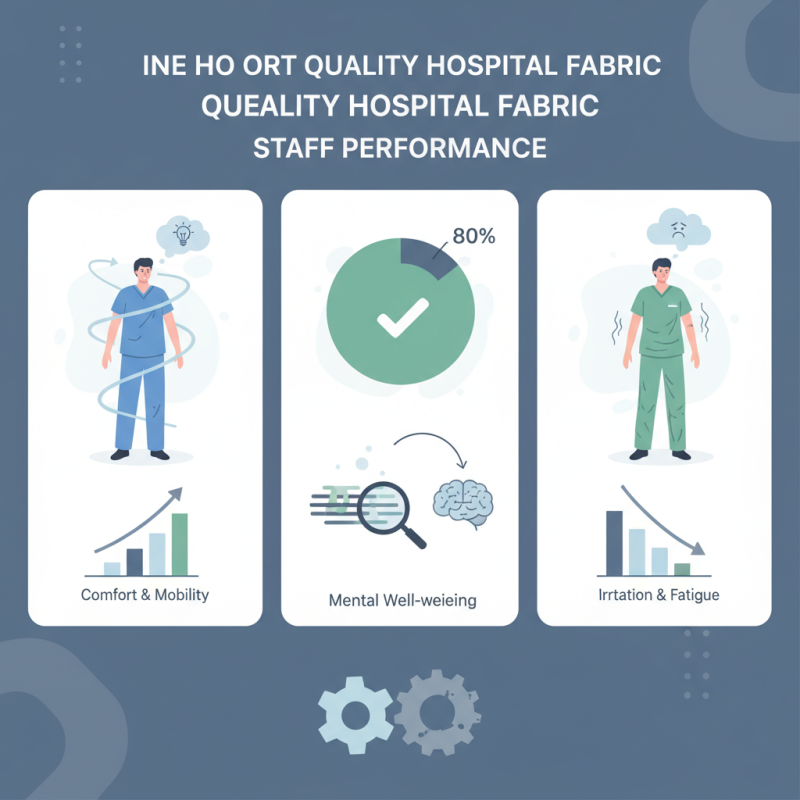
The quality of hospital scrub fabric significantly affects staff performance. Comfortable scrubs allow healthcare professionals to move freely. When the fabric breathes well, it helps regulate body temperature. This is crucial during long shifts when staff can become fatigued.
Many scrubs lack durability. They may fade or lose shape after several washes. This can lead to discomfort and distractions. High-quality materials can resist wear and tear, ensuring that staff focus on patients rather than adjusting their clothing.
Additionally, scrub fabric can impact hygiene. Fabrics that repel stains and moisture help maintain a clean appearance. It’s vital for healthcare workers to feel confident in their attire. This confidence can translate to better patient interactions and overall care.
Scrub color and fit can also influence a staff member’s morale. After all, dedicated professionals deserve to feel professional in their work environment.
In healthcare settings, staff performance is crucial for patient outcomes. One key factor impacting this performance is the quality of hospital scrub fabric. High-quality scrubs enhance comfort and mobility. Staff can move more freely, which is essential during long shifts. Breathable fabrics reduce overheating and sweating. This comfort directly influences focus and efficiency in critical situations.
However, not all scrubs provide the same benefits. Some staff report discomfort due to inadequate fit or poor fabric choice. This can lead to distractions. In high-pressure environments, these distractions may affect decision-making. Additionally, the durability of the material is vital. Scrubs that wear out quickly can lead to increased costs and replacement cycles.
Moreover, the overall environment also plays a role. Properly fitting scrubs can enhance confidence among staff. When employees feel good in their attire, they often perform better. Yet, choosing the right fabric is not always straightforward. Sometimes, the easier option is selected, sacrificing quality for convenience. This is a dilemma many healthcare facilities face.
| Factor | Impact on Performance | Recommended Fabric Features |
|---|---|---|
| Breathability | Improves comfort and reduces fatigue | Moisture-wicking material |
| Durability | Enhances longevity and reliability | High-thread count fabric |
| Ease of Movement | Facilitates performance during procedures | Stretchable material |
| Stain Resistance | Maintains a professional appearance | Nano-coating technology |
| Comfort Fit | Reduces distractions during work | Tailored cut and adjustable straps |
When it comes to hospital scrub fabric, understanding the various material types is essential for optimizing staff performance. Cotton is a popular choice due to its breathability and comfort. It allows for excellent air circulation, helping to keep staff cool during long shifts. However, cotton can be prone to wrinkles and staining. Some workers find the need to iron their scrubs cumbersome and time-consuming.
Polyester blends offer durability and resistance to wear. These fabrics dry quickly and are less prone to fading. This can be beneficial in high-paced environments where time is precious. On the downside, polyester can trap heat, making it less comfortable in warm settings. Staff members may find themselves working up a sweat, leading to potential distractions.
Another option is antimicrobial fabrics. These materials are treated to resist bacteria and odors, promoting hygiene. While effective, they can sometimes be less soft than natural fabrics. This trade-off can affect comfort during long hours of use. It's crucial to weigh the pros and cons of each material, considering the specific needs of the staff and the environment in which they work.
The design of hospital scrubs plays a crucial role in staff performance. A study by the American Institute of Research found that comfort and fit significantly influence the efficiency of healthcare workers. Well-fitted scrubs improve mobility and reduce stress, allowing staff to focus on their duties instead of discomfort. Poor fabric quality can lead to irritation or rashes, causing distractions during crucial tasks.
Comfort is not just about softness. Breathable materials can help regulate body temperature. According to the Journal of Occupational Health, optimal temperature management can boost productivity by up to 15%. This is especially important in high-pressure environments like hospitals. Staff members often work long shifts. Scrubs that allow movement without restriction can reduce fatigue and enhance overall performance.
Tip: Choose scrubs with adjustable features. This can accommodate different body shapes and preferences. Additionally, consider how scrubs feel over a full shift. Investing in quality fabric can pay off in better staff morale and patient outcomes. Regular feedback from frontline workers is essential. This helps identify areas needing improvement in scrub design.
Maintaining the quality of hospital scrub fabric is crucial for staff performance. The right care can extend the life of scrubs and enhance their functionality. Proper washing methods help preserve fabric integrity. Using hot water can degrade certain materials, so it's best to follow care labels.
To boost scrub longevity, consider washing scrubs with similar fabrics. This reduces wear and tear. Avoid overloading the washer to ensure a thorough clean. Pay attention also to detergent types. Harsh chemicals can break down fibers, leading to premature fading.
Regular inspections of scrubs are vital. Look for frayed seams or stains that may be hard to remove later. Addressing minor issues early can prevent bigger problems down the line. Remember, well-maintained scrubs not only feel better but also reflect a professional image. These details matter in a healthcare setting.
This chart illustrates the correlation between scrub fabric quality and staff performance metrics such as comfort, durability, and maintenance frequency.
: Good quality scrubs enhance comfort and mobility, which helps staff perform their duties effectively.
Breathable fabric regulates body temperature, crucial during long shifts, preventing fatigue and discomfort.
Cotton is comfortable yet prone to wrinkles and stains, which can be inconvenient for busy staff.
While durable, polyester traps heat and can cause discomfort, distracting staff during work.
They resist bacteria and odors, promoting hygiene but may sacrifice softness, impacting comfort.
Improper washing, like using hot water, can degrade fabric, leading to wear and reduced lifespan.
Wash scrubs with similar fabrics, avoid overloading the washer, and choose gentle detergents.
Early detection of frayed seams or stains prevents larger issues later, maintaining a professional look.
Proper fit and color can boost confidence, influencing staff interactions with patients positively.
Poor maintenance can lead to premature fading and discomfort, affecting staff performance and image.
The quality of hospital scrub fabric plays a crucial role in staff performance, impacting everything from comfort to efficiency in high-pressure healthcare environments. Understanding the importance of hospital scrub fabric quality allows healthcare professionals to recognize the key factors that influence their daily tasks. Different material types possess distinct pros and cons; for instance, while some fabrics offer breathability and ease of movement, others may lack durability or stain resistance.
Comfort and fit are vital, as poorly designed scrubs can hinder mobility and cause discomfort, ultimately affecting job performance. Additionally, maintenance and longevity of the fabric are essential for sustaining scrub quality over time, as proper care can enhance performance. In essence, the question of "Why does hospital scrub fabric quality affect staff performance?" highlights the intricate connection between fabric characteristics and the effectiveness of healthcare staff in their critical roles.
