 GreenPlus Medical
GreenPlus Medical
GreenPlus Medical
The healthcare industry is undergoing significant changes, driven by a demand for safer and more sustainable practices. Among these innovations, PVC-free medical tubes have emerged as a crucial advancement. These alternatives are not only beneficial for patient safety but also for environmental sustainability. But why are PVC-free medical tubes becoming the industry standard?
PVC medical tubes contain harmful chemicals that pose risks to both patients and healthcare workers. These concerns have led professionals to seek alternatives that prioritize health and safety. PVC-free options are made from materials that are less toxic and more biocompatible, providing peace of mind for healthcare providers and patients alike.
As awareness of these issues grows, healthcare facilities are starting to transition towards safer alternatives. This shift raises important questions about the future of medical devices. Will PVC-free tubes set a standard for medical equipment? As organizations strive for better health outcomes, it is clear that the demand for safer materials will only increase. Embracing these changes could lead to a healthier future for everyone involved in healthcare.
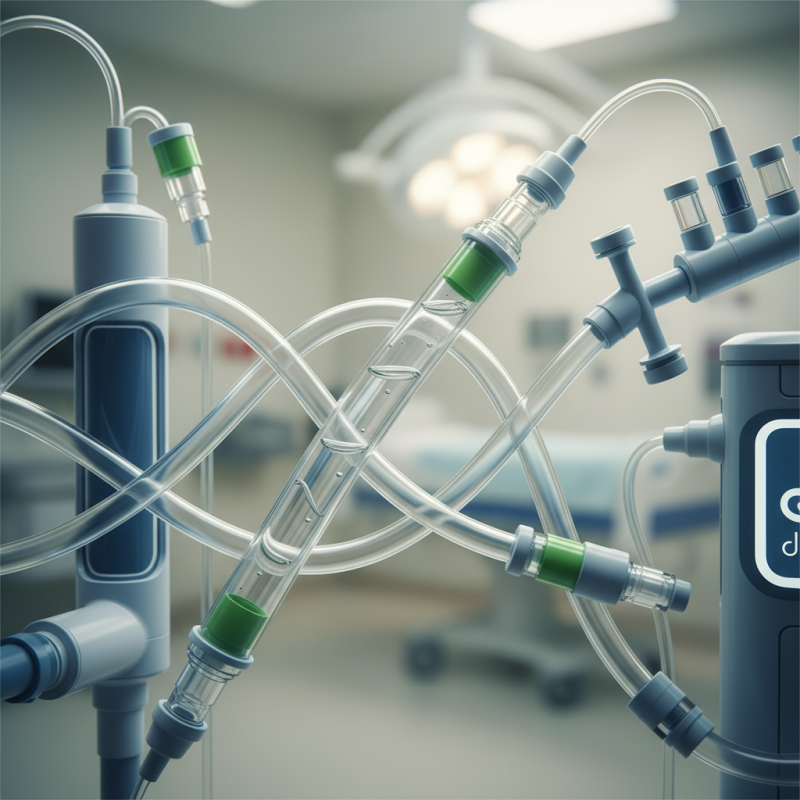
The healthcare industry is witnessing a significant transformation in the materials used for medical tubes. Traditionally, polyvinyl chloride (PVC) has been the go-to material for its durability and versatility. However, recent studies indicate a shift towards PVC-free alternatives due to safety concerns. In medical environments, the presence of harmful additives in PVC products poses risks to both patients and healthcare providers.
According to a report by the International Healthcare Materials Association, nearly 70% of medical professionals express concern about the leaching of toxic chemicals from PVC tubes. PVC-free options reduce exposure to harmful substances like phthalates, which are linked to numerous health hazards. Alternatives such as polyurethane and silicone are gaining popularity. These materials not only meet safety standards but also offer better biocompatibility and reduced potential for allergic reactions.
However, the transition to PVC-free medical tubes is not without challenges. There are ongoing questions about the performance and reliability of these alternatives. Some users have reported variability in flexibility and strength compared to traditional PVC tubes. Nevertheless, continued research and development may address these concerns, paving the way for safer healthcare practices. The push for innovation reflects a growing awareness of the need for sustainable and safer materials in healthcare settings.
| Attribute | PVC-Free Tubes | Traditional PVC Tubes |
|---|---|---|
| Material Composition | Polyolefin, Thermoplastic elastomers | Polyvinyl Chloride (PVC) |
| Biocompatibility | Higher, fewer toxic additives | Potentially lower, presence of plasticizers |
| Environmental Impact | Reduced, recyclable materials | Higher, often non-recyclable |
| Flexibility | High flexibility and comfort | Moderate, can become brittle |
| Health Risks | Lower risk of phthalate exposure | Possible risk from leaching additives |
| Cost | Higher upfront cost | Lower upfront cost |
: PVC, or polyvinyl chloride, is commonly used in healthcare for various medical products due to its durability.
PVC can leach harmful chemicals that may cause toxic exposure, impacting respiratory health and leading to chronic conditions.
PVC-free products reduce exposure to harmful additives, promoting safer practices in healthcare for patients and providers alike.
PVC-free tubes minimize skin irritation and allergic reactions, leading to a more comfortable treatment experience for patients.
Innovative materials like thermoplastic elastomers (TPEs) and polyolefins are emerging as safer, flexible alternatives to PVC.
PVC is difficult to recycle and can pollute during production and disposal, raising significant environmental concerns.
Patients should communicate with their healthcare providers about materials used in medical devices to ensure their safety.
Yes, not all facilities are ready for these alternatives, and some practitioners may resist the change initially.
Education helps healthcare providers understand the benefits and ensure reliable, safe alternatives are employed in patient care.
A simple change to PVC-free tubes can enhance patient satisfaction and safety during medical procedures.
The transition towards PVC-free medical tubes is an important evolution in the healthcare industry, addressing both health risks associated with polyvinyl chloride and environmental concerns. Understanding why PVC-free medical tubes are becoming the industry standard involves recognizing the potential hazards that PVC poses to patient safety and comfort. Through innovative alternatives, these new materials enhance biocompatibility and reduce the likelihood of adverse reactions.
The benefits of PVC-free medical tubes extend beyond patient safety, encompassing improved environmental sustainability, as they do not release harmful chemicals during production or disposal. As trends in healthcare increasingly favor safer and more environmentally friendly solutions, the adoption of PVC-free medical tubes represents a significant step forward. Ultimately, this shift reflects a broader commitment to patient well-being and ecological responsibility, demonstrating that innovation is key to the future of healthcare.
