 GreenPlus Medical
GreenPlus Medical
GreenPlus Medical
In the realm of surgical procedures, the importance of skin preparation cannot be overstated. Proper preparation lays the foundation for optimal outcomes. Surgeons and medical staff recognize that meticulous skin cleansing significantly reduces infection risks, ensuring patient safety. This practice enhances the effectiveness of surgical drapes, creating a sterile environment crucial for successful operations.
Why is skin preparation essential before applying surgical drapes? The answer lies in its ability to eliminate microorganisms. This process involves disinfecting the skin, which prevents contaminants from entering the surgical site. Neglecting this step can lead to complications. Inadequate skin preparation may compromise the whole procedure and prolong recovery time.
Furthermore, the quality of materials used during skin prep matters greatly. Alcohol-based solutions or antiseptics have proven effective. But effectiveness can vary based on how well the skin is cleansed. Surgeons must remain vigilant, continually assessing their skin prep protocols. Reflection on techniques can lead to improvement and better patient outcomes. Thus, prioritizing skin preparation is not just a routine step, but a critical component of surgical success.
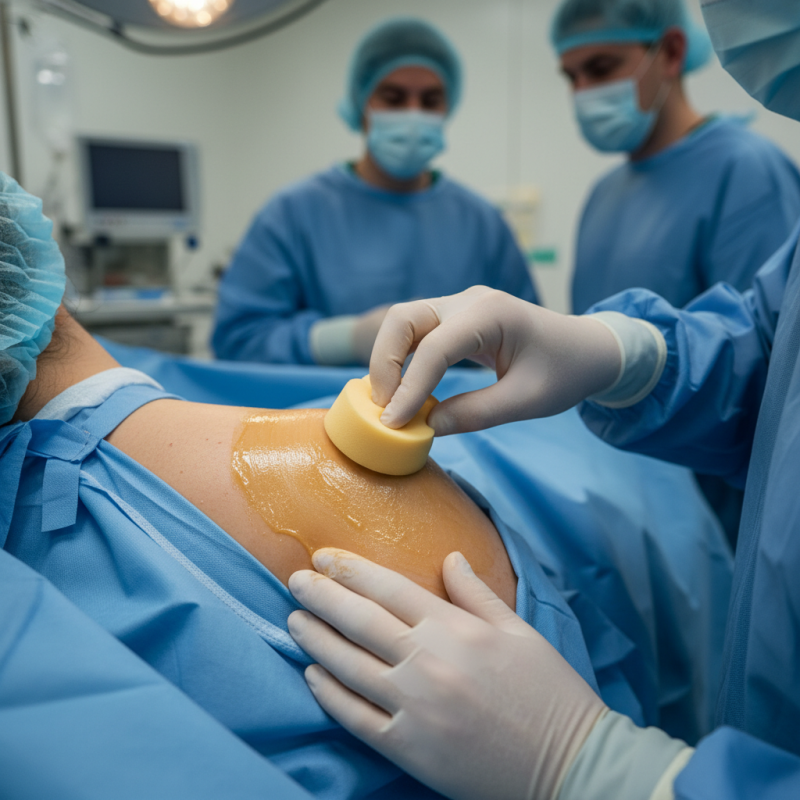
Skin preparation is a vital step in ensuring successful surgical outcomes. Properly cleansing the skin reduces the risk of infections. Infections can lead to complications, increased recovery time, and even re-surgery. Studies show that surgical site infections are significantly lower with effective skin prep. It involves removing dirt, oils, and bacteria, creating a clean surface for the procedure.
Additionally, skin preparation can enhance visibility for surgeons. A clean workspace allows for better access to the surgical area. This clarity is crucial for precision and technique. Even small details, like choosing the right antiseptic, matter. Some antiseptics can irritate sensitive skin, potentially affecting healing. Reflection on the skin prep process can lead to improvements. Understanding the specific needs of each patient enhances preparedness. This tailored approach can minimize risks further and improve patient trust in the surgical team.
| Reason | Description |
|---|---|
| Infection Prevention | Proper skin preparation reduces the risk of surgical site infections significantly. |
| Enhanced Surgical Visibility | Clean skin allows for better visualization of the surgical site during the procedure. |
| Improved Healing | Effective skin antisepsis promotes better healing and recovery post-surgery. |
| Reduction of Complications | Thorough skin preparation minimizes the chances of surgical complications. |
| Compliance with Protocols | Following skin preparation protocols adheres to safety guidelines and best practices. |
| Patient Confidence | Proper skin prep instills confidence in patients regarding their surgical procedure. |
| Reduced Length of Stay | Lower infection rates lead to shorter hospital stays for patients. |
| Cost-Effectiveness | Preventing complications reduces costs associated with additional treatments. |
| Facilitates Quick Recovery | Better skin preparation leads to quicker recoveries and less postoperative pain. |
| Standardization of Procedure | A consistent skin preparation process allows for predictable surgical outcomes. |
: Skin preparation is crucial as it reduces microorganisms, lowering the risk of surgical site infections significantly.
Small oversights, like missing antiseptic on hard-to-reach areas, can leave bacteria, increasing infection risks dramatically.
Some studies suggest certain antiseptics work better, but they may also cause skin irritation or allergic reactions in some patients.
Best practices include thorough cleansing, using sterile techniques, and drying the skin properly after preparation.
Busy surgical settings may lead to rushing, which can compromise the thoroughness of skin prep and increase SSIs.
Many professionals lack knowledge of the latest guidelines; regular training can improve their skills in skin preparation techniques.
Inadequate preparation can increase infection rates, extend recovery times, and may require additional treatments.
Patient-specific conditions, such as allergies and skin sensitivities, can complicate effective skin preparation and need careful assessment.
No, while thorough preparation lowers risks, flaws in the process or individual patient's conditions may still lead to complications.
Teams should reflect on past surgeries to identify gaps in preparation, understanding that a few extra minutes can enhance healing.
Skin preparation is a critical component of surgical success, playing a vital role in minimizing infection risks and ensuring optimal postoperative outcomes. By maintaining strict hygiene protocols during preoperative care, healthcare professionals can significantly reduce the likelihood of contaminants that may compromise surgical procedures. Techniques such as effective cleansing, antiseptic application, and proper draping are fundamental practices that enhance patient safety and promote a sterile environment.
Understanding "Why is skin preparation essential before applying surgical drapes?" is paramount; proper preparation helps create a barrier against bacteria, thus protecting the surgical site and improving the overall success of the surgery. Ultimately, thorough skin preparation not only aids in infection prevention but also contributes to better recovery trajectories for patients, making it a non-negotiable step in the surgical protocol.
