GreenPlus Medical GreenPlus Medical

10 Tips for Safe Disposal of Used Medical Disposables at Home?

Time:2026-08-22 Author:Ethan
0%

Disposing of used medical disposables at home requires careful attention. Many people may wonder, "How to dispose of used medical disposables safely at home?" Proper disposal is crucial. It helps prevent infections and protects the environment. Medical disposables include items like syringes, bandages, and gloves.

These items can pose health risks if not handled correctly. Most people are unaware of their local disposal guidelines. Misinformation might lead to unsafe practices. It's important to seek reliable resources to ensure safe disposal methods. Some methods may seem easy but can result in harm.

Awareness of safe disposal practices promotes community health. It is vital to educate oneself on the risks associated with improper disposal. Failing to do so can endanger not only you but also others. Create a safe environment for yourself and your family. With informed choices, you can contribute toward a healthier home and community.
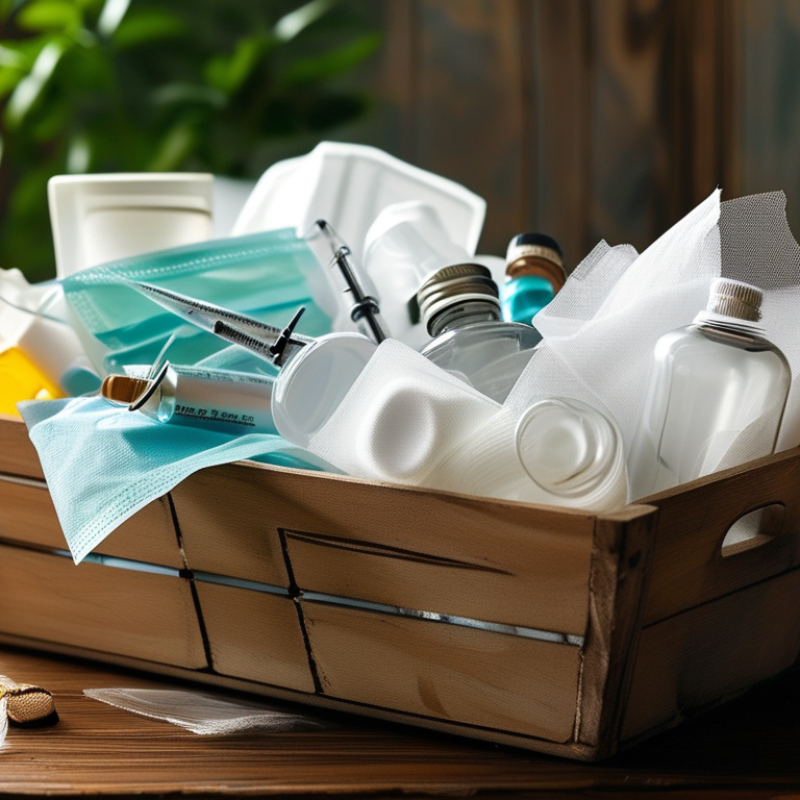
10 Tips for Safe Disposal of Used Medical Disposables at Home?

Understanding the Importance of Safe Medical Waste Disposal at Home

Improper disposal of medical waste can pose serious health risks. Many households may not realize that used syringes, bandages, and other medical disposables can harbor infectious agents. According to the World Health Organization, up to 85% of the world's medical waste is non-hazardous. However, the remaining 15% can be dangerous if not handled correctly. This highlights the necessity for safe disposal practices at home.

When discarding used medical supplies, consider the local regulations. Properly sealing sharps in designated containers prevents needle-stick injuries. A study by the Environmental Protection Agency showed that about 1 million injuries occur annually from improperly disposed needles. Clear and accessible disposal options are vital. For instance, hospitals or clinics often provide disposal services, but not everyone takes advantage of them.

Additionally, education plays a key role. Many people are unaware of the risks associated with medical waste. There is a pressing need for community programs that inform the public. One recent survey indicated that over 60% of respondents did not know how to dispose of used medical supplies safely. Increasing awareness is essential to mitigate risks and protect public health.

Identifying Common Household Medical Disposables and Their Risks

Many households use medical disposables daily, such as syringes, bandages, and gloves. These items, while essential for health, pose significant disposal risks. According to a report by the World Health Organization, improper disposal can lead to infections and environmental hazards. Household medical disposables can contain pathogens, which may pose dangers if they end up in regular trash or landfills.

Syringes are particularly hazardous. They can puncture skin and transmit diseases. Statistics indicate that about 16 billion injections occur each year worldwide, generating an enormous amount of used needles. This requires meticulous attention during disposal. Bandages may seem harmless, but they can harbor bacteria if not handled correctly. Inadequate disposal of contaminated items can lead to the spread of infections in communities.

Moreover, many people might not realize the environmental impact. Plastic medical disposables take hundreds of years to decompose. A report from the Environmental Protection Agency highlights that medical waste constitutes a significant portion of landfill burdens. Awareness and education on the correct disposal methods are crucial in mitigating these risks. Many households still lack proper disposal knowledge, ultimately leading to harmful consequences for both personal health and the environment.

Recommended Methods for Proper Disposal of Sharps and Needles

Disposing of used medical disposables, especially sharps and needles, requires careful attention. Improper disposal can lead to injury or environmental harm. It's vital to follow safe methods to prevent accidents.

A practical way to dispose of sharps is to use a puncture-resistant container. You can repurpose a strong plastic bottle or a designated sharps container. Seal it tightly when it’s full. Never throw loose needles in the trash. Always label the container clearly, indicating its contents. It's easy to overlook this step, but it’s essential for safety.

When it comes to disposing of unused medications, take them out of their original containers. Mix them with an unpalatable substance, like dirt or used coffee grounds. This makes them less appealing. Place the mixture in a sealed plastic bag before throwing it away. This method discourages accidental ingestion.

Always remember to keep sharps away from children. Regularly check your disposal methods. If something feels off, don’t hesitate to rethink your approach. Safe disposal is everyone's responsibility, and being diligent can protect you and your community.

Safe Practices for Disposing of Used Bandages and Dressings

When disposing of used bandages and dressings at home, it's crucial to prioritize safety and hygiene. Begin by placing dirty bandages in a sealed plastic bag. This prevents contamination and keeps your space clean. Ensure the bag is secure before disposing of it in a trash bin designated for regular waste. Avoid placing used bandages directly in recycling bins or regular trash without proper containment.

Another aspect to consider is the type of dressing you are using. Some materials may contain hazardous substances, which necessitates specific disposal methods. Research local guidelines on medical waste. Some communities offer special collection programs for hazardous waste. Taking the time to educate yourself can make a significant difference.

Always wash your hands thoroughly after handling used materials. This small step is often overlooked, but critical for preventing infections. If you notice any signs of infection, consult a healthcare professional. Reflection on our disposal practices can lead to better health and safety outcomes for us and our families.

Local Guidelines and Resources for Medical Waste Disposal in Your Area

When it comes to disposing of used medical disposables at home, following local guidelines is crucial. Each area has specific regulations on medical waste disposal. Familiarizing yourself with these resources can help you avoid potential hazards. Local health departments often publish guidelines tailored to their communities. Finding this information is usually just a click away on health department websites.

Carefully assess the types of disposables you have. Items like syringes or scalpel blades require special handling. Many communities offer designated drop-off sites for hazardous waste. You might find programs for safe disposal, including mail-back options. Engaging in community awareness initiatives can also help you and your neighbors stay informed.

An imperfect approach may lead to problems, such as pollution. Some individuals may dispose of medical waste incorrectly, unaware of the consequences. Reflect on your habits and stay updated with regulations to ensure safety. Educating yourself and sharing information fosters a safer environment for everyone. Taking responsibility starts at home, and resources are available to guide you.

FAQS

: What are common household medical disposables?

: Common disposables include syringes, bandages, and gloves used for health needs.

What risks are associated with improper disposal?

Improper disposal can cause infections and environmental hazards due to pathogens.

How should used syringes be disposed of?

Use a puncture-resistant container. Seal it tightly and label it clearly to ensure safety.

What is the best way to dispose of unused medications?

Mix them with unpalatable substances and seal in a bag before disposal to discourage ingestion.

What is a safe practice for disposing of bandages?

Place used bandages in a sealed plastic bag to prevent contamination and keep spaces clean.

Why is it important to wash hands after handling disposables?

Washing hands prevents infections, a necessary step we often overlook in disposal practices.

Are there special disposal guidelines for certain materials?

Yes, some materials require specific methods, so check local medical waste guidelines for details.

What should I do if I notice signs of infection?

Consult a healthcare professional immediately to address potential health issues.

How can communities help with medical waste disposal?

Some offer special collection programs for hazardous waste. Participate to promote safety.

Why should I reflect on my disposal practices?

Reflecting can lead to improved health outcomes and safer environments for everyone involved.

Conclusion

Proper disposal of used medical disposables at home is essential to ensure safety and minimize health risks. Understanding the importance of safe medical waste disposal is the first step. Common household medical disposables, such as sharps, needles, and bandages, can pose significant dangers if not handled correctly. Therefore, it is crucial to learn how to dispose of used medical disposables safely at home.

For sharps and needles, recommended methods include using designated sharps containers and following local guidelines for disposal. Used bandages and dressings should be placed in sealed bags before discarding. Familiarizing oneself with local resources and regulations regarding medical waste disposal can greatly enhance safety at home. By adopting these practices, individuals can contribute to a healthier environment and prevent accidents related to improper disposal.

Ethan

Ethan

Ethan is a seasoned marketing professional with a deep expertise in our company's innovative product line. With a passion for sharing knowledge and insights, he takes the lead in regularly updating our corporate blog, where he explores industry trends, product features, and effective marketing......