GreenPlus Medical
Starting a laboratory clinic can be a daunting task. Understanding how to select laboratory equipment for a startup clinic is crucial for success. According to Dr. Jane Smith, a leading expert in laboratory operations, "Choosing the right equipment determines the workflow and the quality of results." This insight underscores the importance of every decision made during the setup of a new facility.
The selection process involves careful consideration of various factors. Every piece of equipment plays a vital role in efficiency and accuracy. Balancing cost with quality can be challenging. Many startups face budget constraints, leading to hasty decisions. Investing in the right tools can significantly impact long-term outcomes.
Begin with understanding the specific needs of your clinic. Research the types of tests you will perform and their requirements. Consulting with professionals or experienced peers enhances your judgment. Remember, the wrong choice could lead to operational setbacks and increased expenses. Taking time to reflect on equipment needs often reveals critical insights that early decisions could overlook.
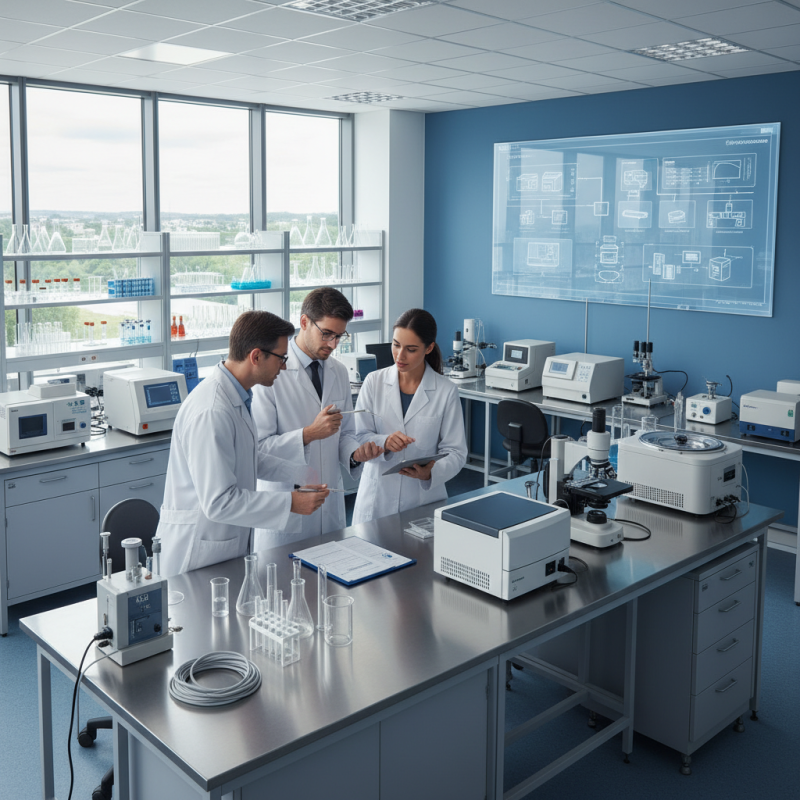
Selecting the right lab equipment is crucial for startups. Equipment can determine the quality of research and product development. According to industry reports, 40% of startups fail due to inadequate resources. This includes improper lab setup or equipment that doesn't meet specific needs.
Startups should prioritize reliability and performance when choosing lab tools. A 2021 study highlighted that high-quality equipment improves productivity by 30%. However, it is not just about buying the latest technology; understanding unique project requirements is vital. This often requires trial and error, as startups may lack clarity in their early stages. Many founders regret not investing enough time in selection.
Furthermore, the maintenance of lab equipment is often overlooked. Regular upkeep can extend the life of tools and ensure consistent results. A report from laboratory management sources revealed that 25% of equipment downtime is due to neglect. Startups must adopt a proactive approach. Understanding these aspects can significantly impact long-term success.
Selecting lab equipment for a startup is no small task. There are key factors to consider. Understanding your specific needs is vital. Identify the type of experiments you will conduct. This knowledge will guide your choices.
Budget constraints can deeply affect your decisions. High-quality equipment is essential, but spending must be controlled. Look for options that offer reliability without overspending. Researching suppliers can save costs too. Sometimes the cheapest option may not be the best for your work. This requires careful evaluation.
Space and layout are other critical considerations. Ensure your lab is well-organized for efficiency. Consider how equipment will fit within your setup. Is there room for expansion? Safety is paramount. Select equipment that follows industry standards. Often, neglecting these elements can lead to issues later on. Reflect on these factors to ensure your lab meets your startup's goals.
When launching a startup, budgeting for lab equipment becomes a critical task. Often, entrepreneurs face tight financial constraints. Understanding how to prioritize needs is essential. Equipment can be a significant investment, and poor choices can drain funds quickly.
Startups should evaluate various funding options. Grants and investors can provide necessary capital. It's wise to explore partnerships that may offer resources in exchange for equity. Additionally, leasing equipment over purchasing can manage cash flow effectively.
However, not all funding sources are reliable. Some grants come with strict requirements. Investors may expect quick returns. These factors could lead to pressure that distracts from core goals. Startups must weigh their options carefully, ensuring alignment with their vision.
Choosing the right lab equipment is crucial for startups in various scientific fields. Different types of lab equipment serve specific functions, making it essential to understand these needs early on. For instance, a biology lab may require microscopes, centrifuges, and incubators, while a chemistry lab could focus on glassware, spectrophotometers, and fume hoods. Each tool plays a vital role in ensuring accurate results and safety.
In physics research, oscilloscopes and vacuum chambers take precedence. These devices allow for fine measurements and experiments that can reveal the laws of nature. Startups need to choose wisely to avoid overspending on unnecessary equipment. Balancing quality and cost is challenging but necessary for longevity.
Selecting lab equipment without thorough research can lead to setbacks. Some startups might rush into purchases to quickly set up operations. However, understanding how each piece fits into the larger picture is important. Investing time in proper selection can save future headaches.
| Lab Equipment Type | Field of Application | Purpose | Estimated Cost |
|---|---|---|---|
| Microscope | Biology | Cell analysis and research | $1,000 - $10,000 |
| Spectrophotometer | Chemistry | Measuring light absorbance | $500 - $4,000 |
| Centrifuge | Molecular Biology | Separating substances based on density | $1,000 - $10,000 |
| Incubator | Microbiology | Maintaining optimal growth conditions | $500 - $5,000 |
| pH Meter | Environmental Science | Measuring acidity and alkalinity | $150 - $2,000 |
When starting a lab, selecting the right equipment is crucial. Begin by assessing your specific needs. Are you conducting experiments or analyzing samples? This will guide your choices. It’s easy to overspend on unnecessary gadgets. Focus on essential tools that align with your research goals.
Sourcing equipment requires careful thought. Consider both new and refurbished items. New gear may come with warranties and support. However, used equipment can save costs if inspected properly. Research suppliers and their reputations. Reliable vendors offer not just products but also valuable advice. Seek feedback from peers in your field.
Maintenance plays a vital role in longevity. Regular checks can prevent costly breakdowns. Documenting maintenance schedules helps keep track. It's often tempting to overlook small issues. However, ignoring minor repairs can lead to larger problems. Foster a culture of diligence within your team. Encourage open dialogue about equipment performance and needed improvements.
: The right equipment influences research quality and product development. Poor choices can lead to failure.
Inadequate resources and improper lab setup account for 40% of startup failures.
High-quality tools can improve productivity by up to 30%. This is often overlooked in early stages.
Key factors include specific needs, budget constraints, safety standards, and equipment reliability.
Quality is vital, but overspending can hinder startup growth. Explore reliable options within budget.
Regular maintenance prevents downtime, which accounts for 25% of equipment issues. Stay proactive.
A well-organized lab ensures efficiency. Consider future expansion and equipment placement during setup.
Biology labs need microscopes, while chemistry labs require glassware and spectrophotometers. Choose wisely.
Rushing can lead to mistakes and future setbacks. Understanding needs is crucial before buying.
No, focus on specific project needs rather than the latest trends. This ensures better investment decisions.
When establishing a startup clinic, understanding how to select laboratory equipment is crucial for operational success. The selection process involves several key factors, such as the specific scientific field’s requirements, budget limitations, and potential funding opportunities. Startups must evaluate their needs thoroughly and prioritize essential equipment that aligns with their research or clinical objectives.
Additionally, implementing best practices for sourcing and maintaining lab equipment can enhance efficiency and longevity. By focusing on quality and reliability while managing budget constraints, startups can effectively equip their laboratories. Ultimately, knowing how to select laboratory equipment for a startup clinic ensures that it is well-prepared to meet both current and future scientific demands.
