Surgery examination gloves are essential in maintaining hygiene during medical procedures. However, a common issue is their tendency to tear. This raises an important question: "Why do surgery examination gloves tear and how to avoid it?" Understanding this can enhance the safety of both patients and medical staff.
Various factors lead to glove tearing. These include improper sizing, material fatigue, and environmental conditions. For instance, gloves that are too tight can lead to strain, increasing the risk of punctures. Additionally, exposure to certain chemicals can degrade the material, making them more prone to tears. Observing best practices in glove use is vital.
Preventive measures are crucial for minimizing glove damage. Regular training on proper glove use is essential for all medical staff. They should understand the correct techniques for wearing and removing gloves. It is equally important to choose high-quality gloves suited for specific tasks. Ultimately, addressing these factors can significantly reduce the occurrence of tears and enhance protective measures in healthcare settings.
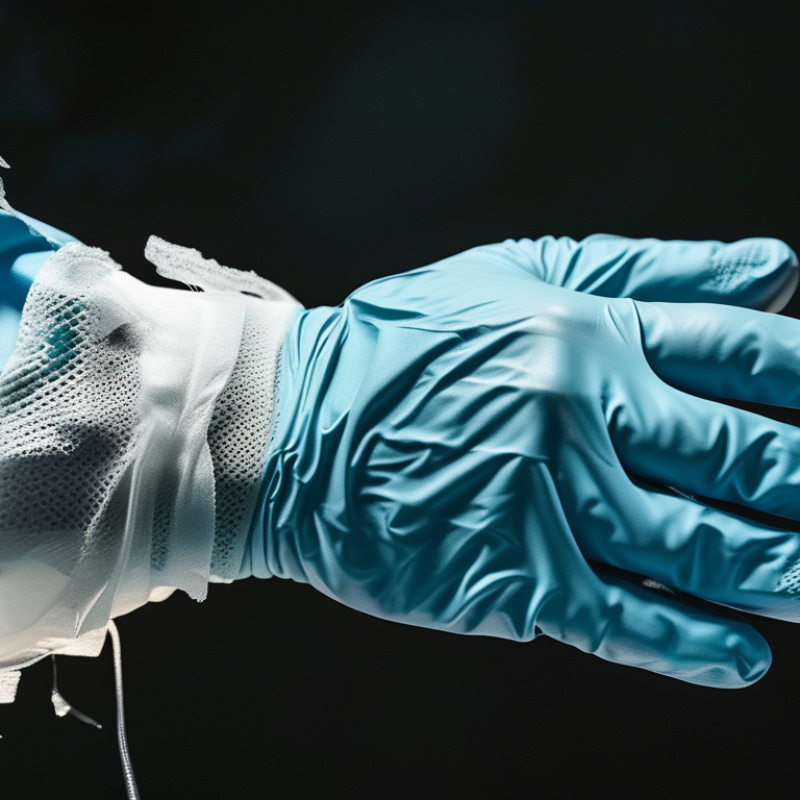
Factors Contributing to Surgical Examination Glove Tears
Surgical examination gloves are essential in healthcare. However, they often tear, compromising safety. Understanding the factors that contribute to these tears can help reduce risks significantly.
One major cause of glove tears is improper sizing. According to industry reports, 55% of healthcare professionals wear gloves that don't fit properly. A glove that is too tight can tear easily, creating a gap for contamination. Inadequate donning technique is another concern. Approximately 30% of glove tears occur during application, largely due to excessive stretching or improperly handling the gloves.
Environmental factors also play a role. High temperatures and UV exposure may degrade glove materials. Studies indicate that gloves used in sterile environments may weaken quicker than those used in less rigorous settings. Moreover, consistent exposure to specific chemicals can impact glove integrity. For instance, nitrile gloves can degrade when exposed to certain alcohols and disinfectants.
These insights show the importance of selecting the right gloves for specific tasks and monitoring their condition regularly. Emphasizing awareness and training can significantly reduce glove-related incidents in healthcare settings.
Common Types of Tears and Their Causes in Surgical Gloves
Surgical gloves are essential in maintaining a sterile environment during operations. However, gloves can tear, posing risks to both the medical staff and patients. Understanding the common types of tears can aid in preventing such incidents.
One frequent issue is puncture tears. These often occur when gloves come into contact with sharp instruments. Inadequate thickness or improper handling can worsen the situation.
Another type is abrasion tears. This happens when gloves rub against rough surfaces. It can result from the frequent movement of hands or inadequate fitting.
Tears are also seen in the glove seams. Poor manufacturing quality or excessive stretching can lead to seam failures, creating vulnerabilities.
To minimize these tearing incidents, proper selection and usage of gloves are vital. Training staff on the right techniques can help maintain glove integrity. Regular inspections for wear and tear can catch issues early. While it’s natural to expect occasional accidents, consistent effort towards better practices can greatly enhance glove reliability in surgical environments.
Best Practices for Selecting High-Quality Examination Gloves
Choosing high-quality examination gloves is crucial for both patient safety and practitioner protection. It’s essential to understand the material and standards that dictate glove performance. A study by the American Society for Testing and Materials (ASTM) indicates that up to 30% of gloves may fail due to inadequate thickness or material integrity. This can lead to potential exposure to harmful pathogens.
When selecting gloves, consider the materials used. Nitrile, latex, and vinyl gloves each have distinct properties. Nitrile offers greater puncture resistance, while latex provides elasticity. However, some practitioners may experience allergies to latex, highlighting the importance of choosing non-latex options. Certification marks such as ASTM and FDA compliance guarantee better scrutiny and adherence to safety standards.
Tips: Always inspect gloves for defects before use. Avoid using expired gloves, as this may compromise their strength and integrity. Additionally, ensure that the gloves fit snugly; loose gloves can tear during procedures.
Another vital aspect is the storage conditions of gloves. Exposure to extreme temperatures and humidity can deteriorate glove quality. Reports suggest that improper storage can reduce gloves’ efficacy by 50%. Regularly evaluate your glove inventory and replace expired or damaged stocks promptly. By following these best practices, healthcare professionals can significantly reduce the risk of glove tears and enhance safety in surgical environments.
Techniques to Minimize the Risk of Glove Tears During Surgery
Surgical glove tears can be a frustrating and dangerous issue during procedures. The risk stems from various factors like improper sizing, material fatigue, and excessive stretching. Many healthcare professionals face glove tears during complex surgeries. It's crucial to address this risk to ensure patient safety and maintain a sterile environment.
Techniques to minimize these tears begin with proper glove selection. Gloves should perfectly fit the surgeon's hands. Ill-fitting gloves can lead to unintentional stretching, increasing the likelihood of rips. It’s also beneficial to inspect gloves for defects before use. Small pinholes can be invisible but lead to significant leakage. Additionally, maintaining a proper technique when donning gloves is essential. Avoid stretching them too tightly. This simple adjustment can make a significant difference.
Educating surgical teams about glove care and handling is equally important. Regular training on proper techniques can enhance awareness and reduce incidents. Reflecting on past experiences with glove tears promotes a culture of safety. Encouraging open conversations about these challenges helps teams share solutions effectively. Ultimately, a combination of mindfulness and proper technique can significantly reduce glove tears during surgery.
Proper Glove Usage and Handling to Enhance Durability
Surgery examination gloves are essential for maintaining hygiene and safety. However, these gloves can tear easily during use, leading to potential hazards. To enhance their durability, proper handling and usage are critical.
One key tip is to check gloves for visible defects before wearing them. Even small punctures can compromise safety. Additionally, ensure your hands are dry before donning gloves. Moisture can weaken the material, increasing the likelihood of tears. Remember to be gentle when putting on gloves. Tugging or pulling too hard can cause stress on the seams.
Proper storage also plays a role in glove longevity. Store gloves in a cool, dry place, away from direct sunlight. Excessive heat can degrade the material over time. When using gloves, avoid using sharp instruments close to your hands. This simple precaution can significantly reduce the risk of accidental tears. Adjusting your handling techniques can improve the overall effectiveness and safety of glove usage.
FAQS
: Glove tears happen due to improper sizing, material fatigue, and excessive stretching.
Choose gloves that fit your hands perfectly. Ill-fitting gloves can easily tear.
Inspecting gloves for defects, like pinholes, is crucial for safety during procedures.
Avoid stretching gloves too tightly when putting them on. This helps prevent tears.
Ensure your hands are dry and handle gloves gently to avoid stressing the seams.
Store gloves in a cool, dry place away from sunlight to maintain their material integrity.
Moist hands can weaken gloves, increasing the chance of tearing during surgery.
Discussing past experiences can promote safety awareness and improve handling techniques.
Regular training boosts awareness of proper glove care, which helps reduce incidents.
Yes, using sharp tools near your gloved hands can increase the risk of accidental tears.
Conclusion
Surgery examination gloves are essential for maintaining safety and hygiene during medical procedures. However, many providers may wonder, "Why do surgery examination gloves tear and how to avoid it?" Several factors contribute to glove tears, including material quality, improper sizing, and environmental conditions. Common types of tears often arise from punctures and overstretching, leading to potential exposure for both medical personnel and patients.
To minimize the risk of glove tears, it is crucial to select high-quality gloves that meet specific standards and fit appropriately. Employing best practices during glove usage, such as avoiding excessive force and ensuring proper handling, can significantly enhance their durability. By understanding the causes of glove failure and implementing preventive techniques, healthcare providers can improve safety and mitigate risks in surgical settings.
 GreenPlus Medical
