As the healthcare industry evolves, the question arises: What are the safety standards for hypodermic needles in 2026? According to a report by the World Health Organization, improper use of needles causes over 2 million infections annually worldwide. This alarming statistic highlights the urgent need for stringent safety standards.
Dr. Emily Carter, a leading expert in medical device safety, emphasizes, “The standards we implement today will shape patient safety for generations.” In 2026, we expect advancements in materials and design that enhance needle safety. Experts anticipate that materials will be more biocompatible. This change could greatly reduce allergic reactions and associated risks.
However, there's concern that rapid advancements may outpace regulations. Ensuring robust oversight is crucial. Many healthcare providers might struggle to keep up with new protocols, risking patient safety. As we approach 2026, continuous collaboration among manufacturers, healthcare professionals, and regulatory agencies will be essential.
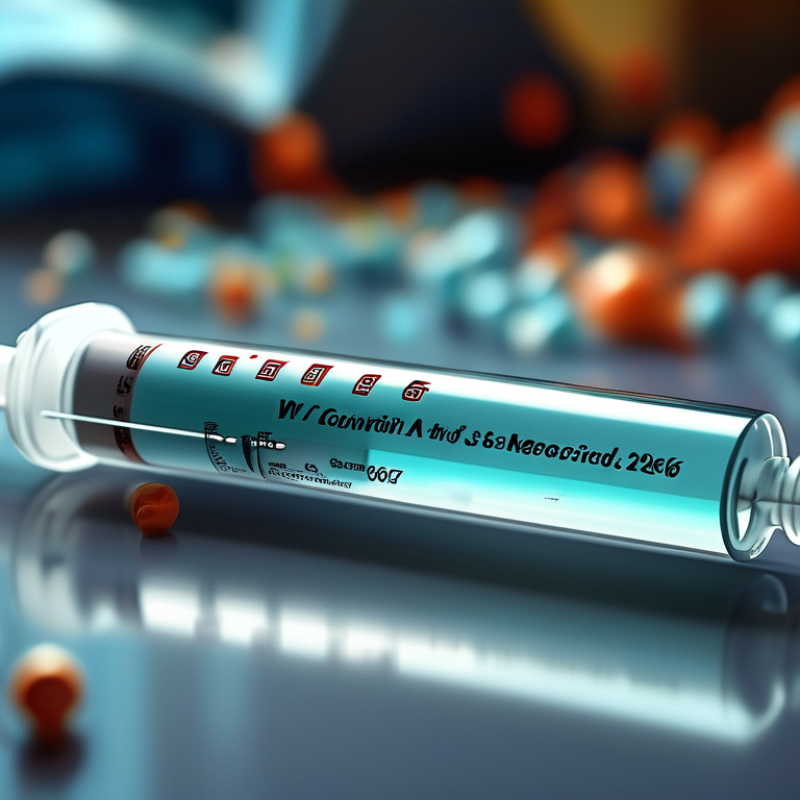
Key Regulatory Agencies Influencing Hypodermic Needle Safety Standards
As of 2026, regulations surrounding hypodermic needle safety are evolving. Key regulatory agencies play a pivotal role in shaping these standards. The World Health Organization (WHO) and the Food and Drug Administration (FDA) are driving forces in this area. They emphasize the importance of safety in needle design and usage. Recent reports indicate that unsafe needle practices contribute to an estimated 1.3 million infections globally each year.
The FDA has established guidelines focusing on needle sterility and safety features. Such features include retractable designs that minimize needlestick injuries. According to a 2021 report from the National Institutes of Health, safer needle technologies could reduce accidental injuries by up to 50%. However, compliance remains an issue. Many manufacturers still struggle to meet the evolving safety standards, leading to potential gaps in the market.
Moreover, the implementation of standards by various health agencies can be inconsistent. In some regions, there may be a lack of monitoring or enforcement of these guidelines. The absence of universal compliance raises questions about the overall safety of hypodermic needles. While progress has been made, it is essential to continue pushing for stricter regulations and awareness to protect healthcare workers and patients alike.
Top 10 Safety Standards for Hypodermic Needles in 2026
This chart represents the compliance levels of various safety standards for hypodermic needles as influenced by key regulatory agencies in 2026. The standards include ISO 7886, FDA guidelines, and other relevant international safety protocols.
Fundamental Safety Features Required for Hypodermic Needles in 2026
In 2026, hypodermic needles will require enhanced safety standards. These standards focus on minimizing risks for both patients and healthcare providers. Features like safety-engineered devices are essential. They reduce needlestick injuries effectively.
A key safety aspect is retractable needles. These devices withdraw the needle after use. This feature significantly cuts down the chance of accidental exposure. Education on proper disposal methods is crucial too. Healthcare workers need ongoing training to ensure compliance.
Tip: Always check for safety features before using any needle. This ensures protection for everyone involved. Another consideration is the needle gauge. Selecting the correct gauge can influence patient comfort and efficacy of drug delivery.
Yet, there might be challenges. Some facilities may resist new standards due to costs. Transitioning to safer designs can be slow. This raises questions about balancing budgets while prioritizing safety. Each facility must weigh these factors carefully.
Innovative Technologies Enhancing Hypodermic Needle Safety Measures
Innovative technologies are reshaping the landscape of hypodermic needle safety in 2026. Smart needles equipped with sensors can detect the depth of injection. This technology minimizes the risk of injury and ensures medication administration is accurate. Enhanced safety mechanisms, such as retractable needles, significantly reduce needle-stick injuries.
Healthcare professionals are encouraged to stay updated on new safety standards. Regular training on using advanced safety features can help improve overall compliance. Basic safety practices, like proper disposal of needles, remain essential.
Integration of digital tracking tools can enhance accountability in medication delivery. Automatic alert systems notify users of potential hazards. However, even with technology, human error remains a factor. Continuous monitoring and feedback are crucial to adapt to safety needs. Peer evaluation can also provide insights into improving practices.
Training and Compliance Standards for Medical Personnel Using Needles
In 2026, the safety standards for hypodermic needles will require rigorous training for medical personnel. Currently, reports indicate that approximately 30% of healthcare professionals do not receive proper needle safety training. This gap raises concerns about the risk of needlestick injuries, which compromise patient safety and the well-being of staff.
With an estimated 1 million needlestick injuries occurring annually in the U.S. alone, the need for comprehensive training is evident.
Medical staff must understand techniques to minimize risks. Compliance with safety protocols could reduce these injuries by up to 50%. However, many institutions lack the resources for consistent training programs.
Ongoing education on needle safety is critical for healthcare environments. Adapting training methodologies based on the latest industry research can enhance compliance. The challenge lies in ensuring that all staff, from nurses to administrators, prioritize safety in their daily practices.
Fostering a culture of accountability and learning will ultimately improve adherence to these evolving standards.
Public Health Implications of Adopting Enhanced Needle Safety Standards
The adoption of enhanced safety standards for hypodermic needles in 2026 has significant public health implications. Improved safety features can reduce injury rates among healthcare workers and patients. Needlestick injuries are a common hazard. They can lead to serious infections, including HIV and hepatitis. Implementing better safety protocols can minimize these risks.
Education plays a vital role in this transition. Healthcare professionals must understand new safety measures. Compliance can be challenging due to habit and routine. Continuous training will ensure everyone knows proper procedures. However, some staff may resist change initially. Addressing their concerns is crucial for effective implementation.
Furthermore, the costs associated with new standards cannot be overlooked. Investing in safer needles and training programs may strain budgets. A careful evaluation of the return on investment in public health is essential. With commitment and collaborative efforts, it is possible to enhance needle safety. The potential reduction in health complications could benefit communities widely.
FAQS
: Key agencies include the World Health Organization and the Food and Drug Administration. They drive safety regulations.
Unsafe practices contribute to approximately 1.3 million infections worldwide each year. This is a significant public health concern.
Smart needles with sensors and retractable designs enhance safety. They reduce the risk of injuries during use.
Continuous training is essential. Regular updates on safety features help improve compliance among healthcare staff.
Resistance to change can hinder adoption. Some staff may struggle to adapt to new practices and protocols.
Investing in safer needles and training can strain budgets. Evaluating potential health benefits is crucial for decision-making.
Continuous monitoring helps adapt practices to safety needs. Feedback from peers can lead to significant improvements.
Improved safety features can lower injury rates, reducing serious infections in communities. This is vital for public health.
Conclusion
As the healthcare industry evolves, understanding "what are the safety standards for hypodermic needles in 2026?" is crucial for ensuring the safety of both patients and medical professionals. Key regulatory agencies are continuously shaping the landscape of hypodermic needle safety standards by introducing fundamental safety features, such as retractable mechanisms and needle shields, aimed at minimizing needle-stick injuries.
Innovative technologies, including smart syringes and enhanced sterilization techniques, are being pioneered to bolster these safety measures. Additionally, comprehensive training and compliance standards for medical personnel are essential to ensure proper usage and maintenance of hypodermic needles. The adoption of these enhanced safety standards has significant public health implications, fostering a safer medical environment and reducing the risk of infections and injuries associated with needle use.
 GreenPlus Medical
