GreenPlus Medical
GreenPlus Medical
GreenPlus Medical
Engineered to prevent nosocomial pathogens, monitor critical temperatures, and protect sensitive environments in hospital centers and medical institutions across the Democratic Republic of Congo.


The Democratic Republic of Congo (DRC) is undergoing a major transformation in its public health and medical infrastructure. With key urban centers such as Kinshasa, Lubumbashi, Mbuji-Mayi, and Goma experiencing rapid population growth, the demand for resilient medical-grade infection control systems is surging. According to national health statistics and the World Health Organization, preventing hospital-acquired infections (HAIs) and managing cross-contamination risks is a top priority for the DRC Ministry of Public Health (Ministère de la Santé Publique).
Furthermore, the DRC experiences unique local epidemiological challenges, such as recurring outbreaks of Ebola virus disease, cholera, and secondary bacterial infections. These threats necessitate robust and reliable barrier protection, medical waste containment systems, and advanced sterilization frameworks. However, the DRC market faces key supply chain vulnerabilities: local manufacturing capacity remains limited, leaving the nation heavily reliant on imports of medical consumables and veterinary biosecurity agents. Transport routes, especially from primary ocean ports such as the Port of Matadi or transit gateways via East Africa (Mombasa and Dar es Salaam), pose logistics and storage hurdles. High humidity and ambient temperatures mean that medical supplies must feature superior barrier properties and high-durability packaging to avoid degradation before clinical use.
As global standards shift toward active infection control, medical facilities are adopting advanced materials and electronics to replace passive barriers. Modern hospital wards are transitioning to antimicrobial surface technologies characterized by ISO 22196 standards, where silver ion ($Ag^+$) or zinc-based coatings actively destroy bacterial cell walls upon contact. This limits the survival of drug-resistant superbugs like Methicillin-resistant Staphylococcus aureus (MRSA) and Pseudomonas aeruginosa on patient-facing equipment.
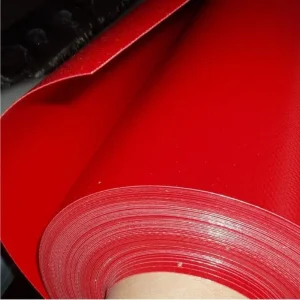
Modern disposables utilize high-density polyurethane (PU) and medical-grade polyvinyl chloride (PVC) formulations. These fabrics are treated to be latex-free, hypoallergenic, and resistant to blood-borne pathogens. In high-temperature and high-humidity climates like the Congo basin, standard fabrics decompose or breed mold. The advanced technical roadmap incorporates cross-linked polymer chains to ensure the material remains flexible and functional at temperatures exceeding 40°C.
Infection control extends beyond sterile surfaces. Real-time temperature screening utilizing high-precision thermal imaging microbolometers (uncooled focal plane arrays) represents the frontline of outbreak containment. Implementing 8-inch facial detection thermal cameras at checkpoints, public transportation hubs, and hospital entryways across Kinshasa allows immediate isolation of febrile individuals, reducing cross-infection rates in urban microenvironments.
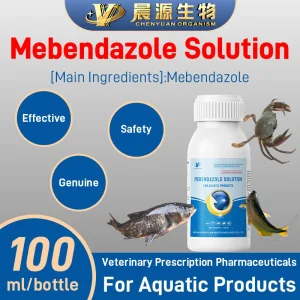
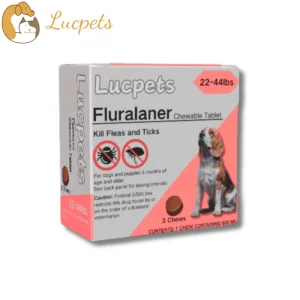
Infection control in the Democratic Republic of Congo cannot be isolated to human clinical environments. Under the global "One Health" framework supported by WHO and FAO, animal health, agriculture, and human safety are deeply linked. Zoonotic pathogens (pathogens jumping from animals to humans) account for over 60% of emerging infectious diseases globally. Livestock biosecurity, poultry sanitation, and control of aquaculture parasites are critical components of a comprehensive national infection control plan.
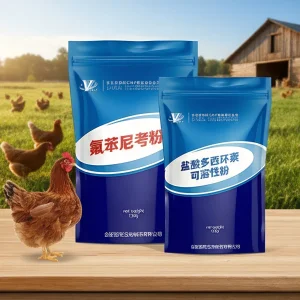
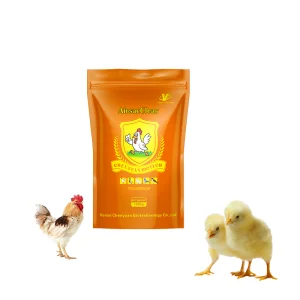
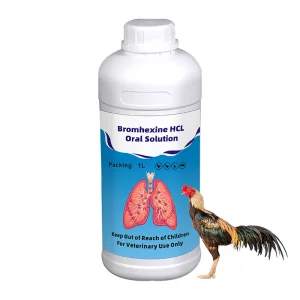
In the poultry and agricultural sectors of the DRC, common viral and bacterial co-infections (such as Newcastle Disease, Airsacculitis, and infectious bronchitis) devastate local food security and present major sanitary risks. Traditional antibiotics face resistance; hence, the industry is transitioning to dual-ingredient pathogen control agents and eco-friendly biological control formulations. By introducing organic and botanical-based respiratory agents, along with target biological entomopathogens like Beauveria bassiana, local farms can control disease vectors naturally, ensuring chemical residues do not contaminate water tables or compromise human immune systems.
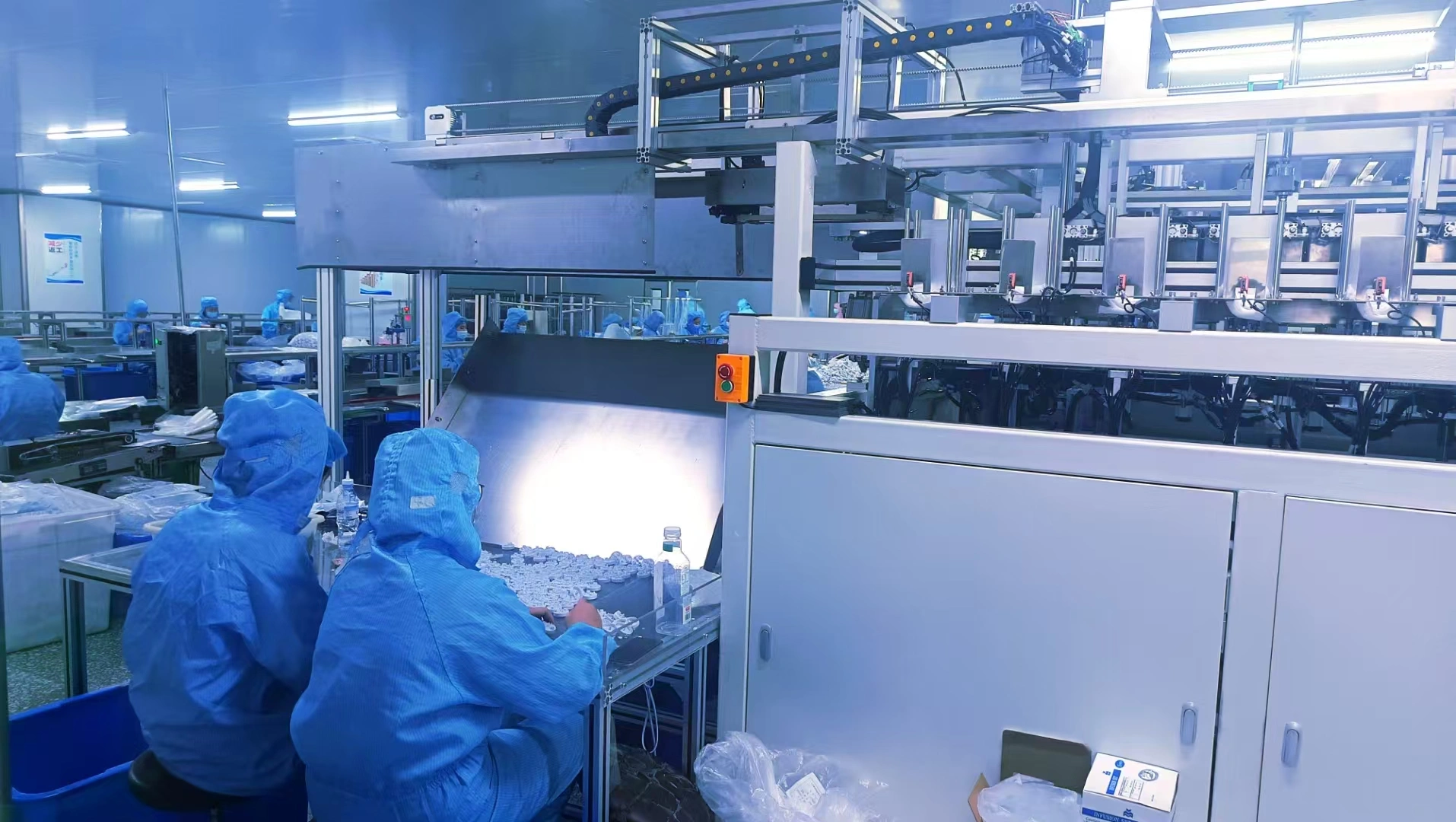
Guangdong GreenPlus Medical Co., Ltd. serves as a crucial supply chain partner for the global medical community by integrating Industry 4.0 manufacturing processes. Located in Guangdong Province, close to major global logistics networks in Shenzhen and Guangzhou, our facility utilizes state-of-the-art automation for extrusion, molding, and sterile packaging. This minimizes human touchpoints and ensures conformity to international regulatory standards.
Through our integrated supply ecosystem, we guarantee:
Importing medical devices into the DRC requires navigating regulatory checkpoints and quality verification processes. The Office Congolais de Contrôle (OCC) mandates that all incoming medical goods conform to international safety regulations. Guangdong GreenPlus Medical provides full documentation packages to facilitate import clearance, including Certificate of Conformity (CoC), CE certificates, and ISO 13485 quality management compliance reports.
Recognizing the environmental challenges of tropical shipping, we optimize our packaging specifically for African maritime routes:
Guangdong GreenPlus Medical Co., Ltd. is a leading professional supplier of high-quality medical instruments and healthcare products based in China. With over 10 years of experience in the medical field, our dedicated team is committed to providing top-notch products and services that enhance the healthcare experience globally.
Located in Guangdong Province, we are strategically positioned near major transportation hubs, including the vibrant city of Shenzhen, allowing us to efficiently serve international markets. Our factory produces a wide range of essential medical products, including syringes, infusion sets, gloves, and face masks.
In addition to our in-house manufacturing capabilities, we collaborate with over 5 trusted strategic partners who specialize in producing urine bags, surgical gowns, medical tubes, wound dressings, diagnostic products, and other medical accessories.
At GreenPlus Medical, we place the highest importance on the quality of our products. Our comprehensive Quality Control (QC) team ensures that each production line is carefully monitored, and every product undergoes rigorous testing to meet both international and customer-specific standards. We are proud to hold CE and ISO certifications for many of our products, confirming our dedication to safety and excellence.
We proudly export our products to customers across Europe, Africa, Asia, and America, serving healthcare institutions, distributors, and wholesalers globally. Our robust supply chain ensures timely deliveries, and we continually seek to build lasting relationships with our international partners.
At GreenPlus Medical, we believe that quality healthcare is a fundamental right. Our mission is to provide reliable, innovative, and affordable medical solutions to improve health outcomes around the world. We integrate core values of love, respect, and compassion into every product we manufacture, ensuring we not only meet the needs of our customers but also contribute to the well-being of individuals everywhere.
As we move forward, Guangdong GreenPlus Medical Co., Ltd. will continue to innovate and develop new solutions for the evolving needs of the healthcare sector. We are committed to becoming a high-efficiency, professional partner, expanding our global presence, and contributing to the advancement of human health. Through continuous improvements, we aim to bring health, safety, and well-being to people across the globe.
We supply full CE, ISO 13485, and ISO 9001 certifications. Our antimicrobial surfaces conform to ISO 22196 metrics, and our diagnostic and optical systems follow EN/CE regulatory directives. Certificate of Conformity (CoC) copies required by the Office Congolais de Contrôle (OCC) are issued upon shipment verification.
Depending on the product class, MOQs vary. For disposable PVC mattress protectors and medical consumables, the typical MOQ is 10,000 units or a 20ft container equivalent. For high-value electronics like the thermal infrared temperature control IP cameras, smaller batches starting at 10 units are accepted. We recommend consolidations to minimize shipping costs.
We use medical-grade DuPont Tyvek pouches and laminated composite films for sterilization barriers, which offer superior resistance to ambient moisture compared to paper packaging. Outer cases are reinforced using corrugated board with integrated moisture barrier sheets.
Yes, we provide specialized OEM formulations, concentration adjustments, and localized packaging for agricultural items (such as Beauveria Bassiana insecticidal fungi and dual-ingredient poultry medicines) to suit specific regional farming profiles and local languages.
Guarding veterinary environments and the food supply chain across the DRC against microbial threats, airsacculitis outbreaks, and parasite vectors.