GreenPlus Medical GreenPlus Medical

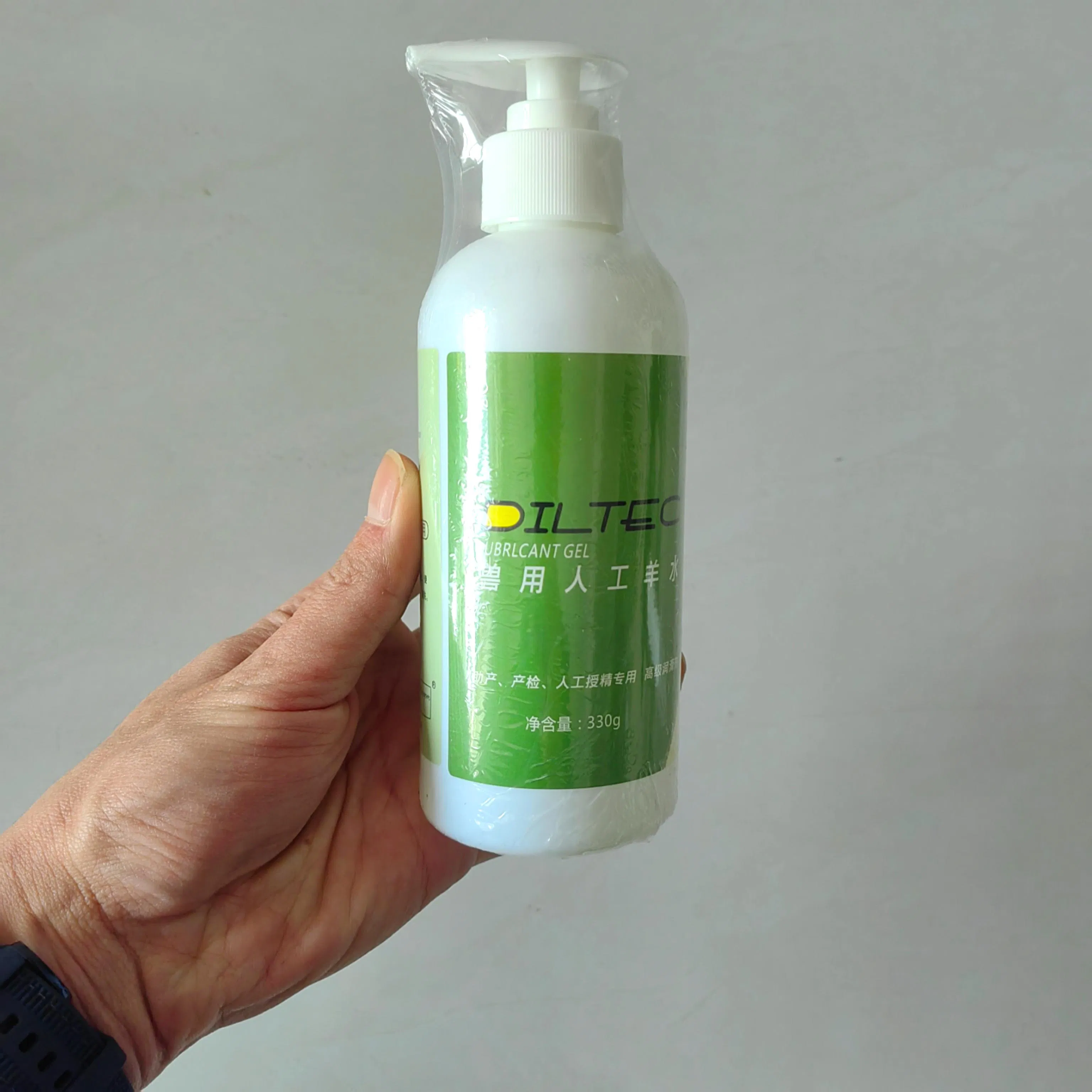
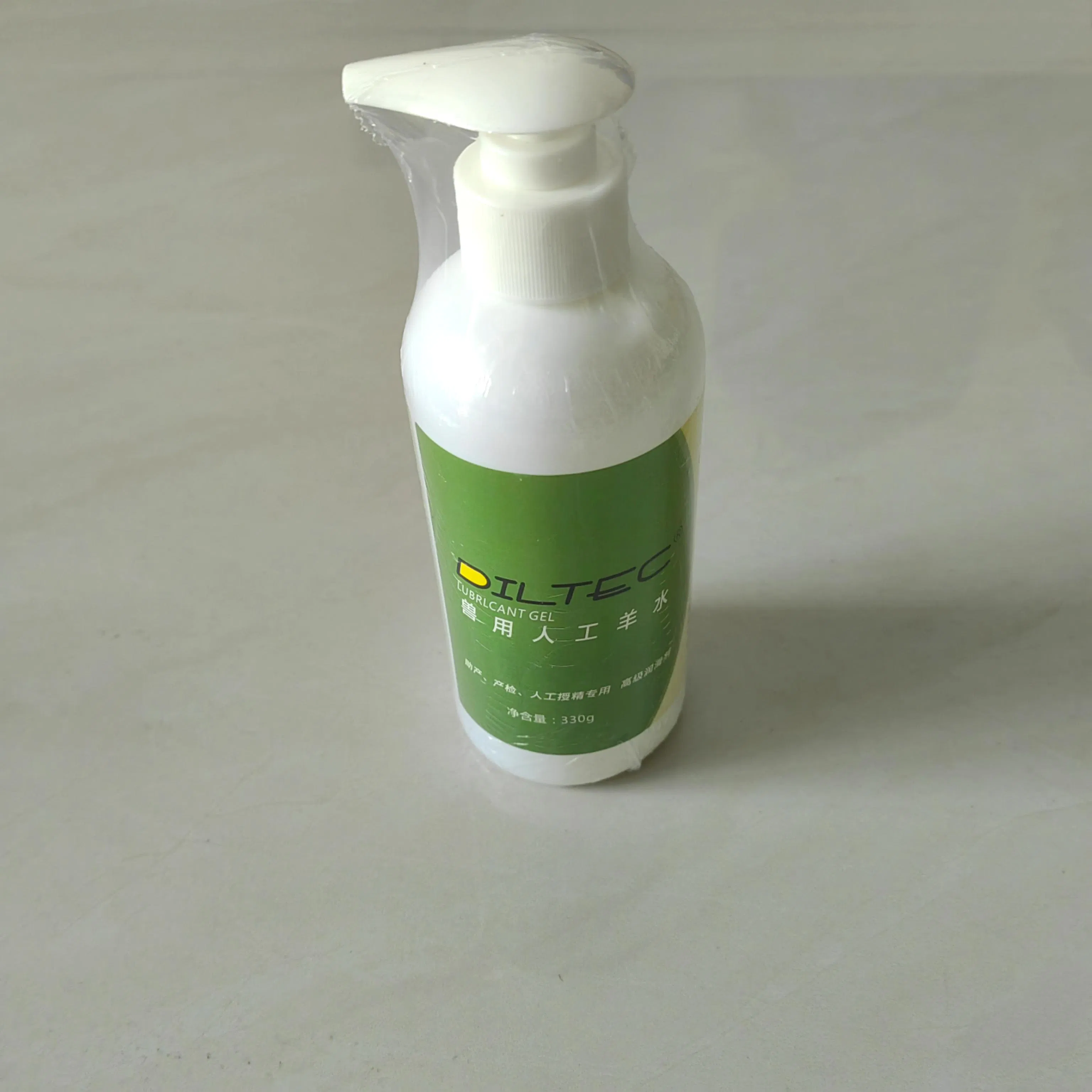
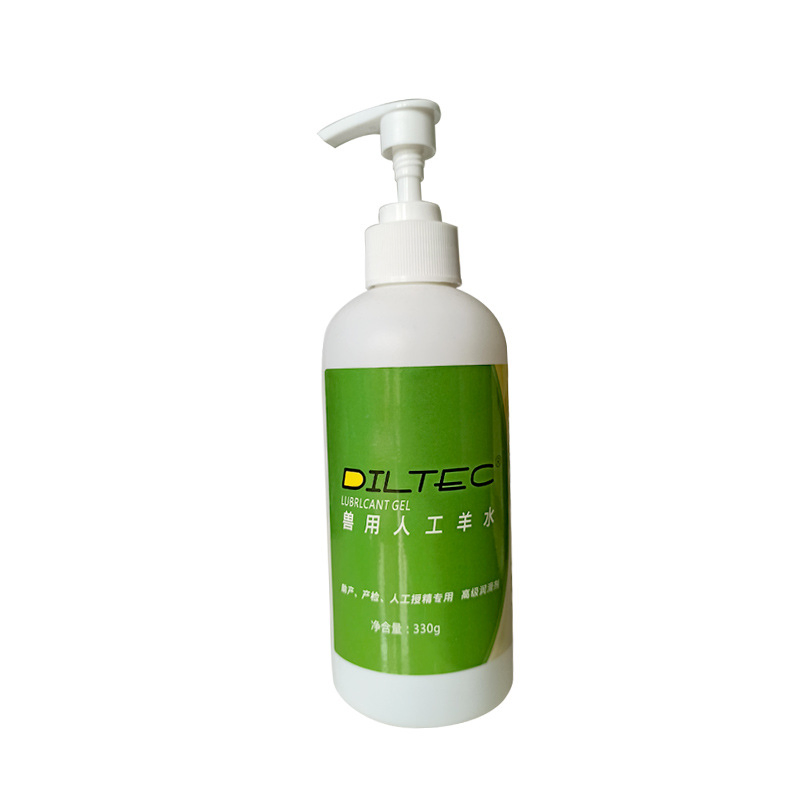
Veterinary Artificial Amniotic Fluid Gel for Animal Breeding & Obstetric Care

Customization: Available
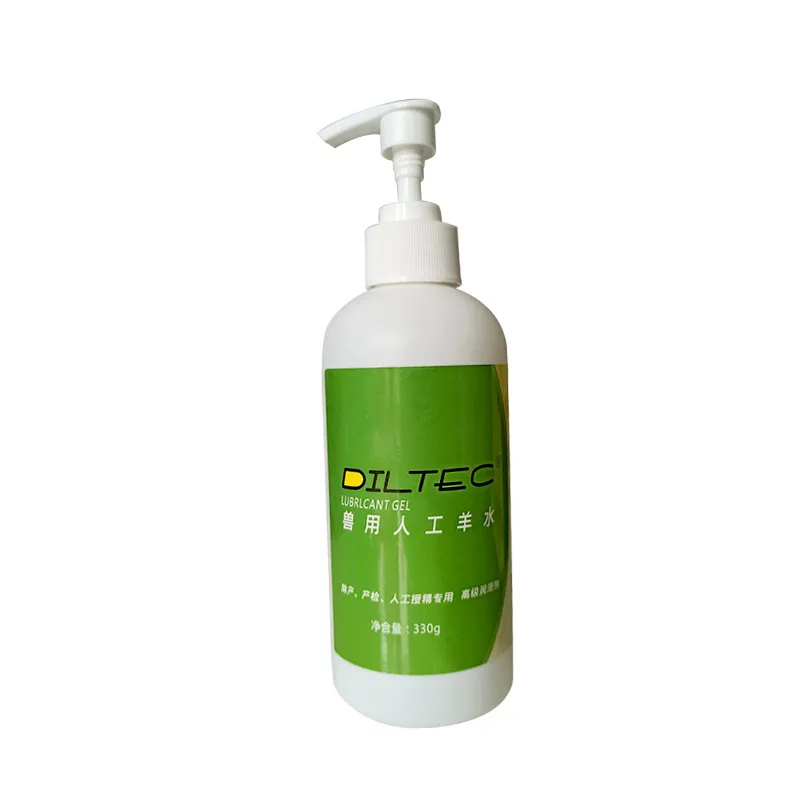
Product Name: Artificial Amniotic Fluid Lubrication Gel
Category: Animal Consumables (Lubrication Type)

Product Description

📋

Basic Information

Model NO.
LN-RHJ202502
Packaging Form
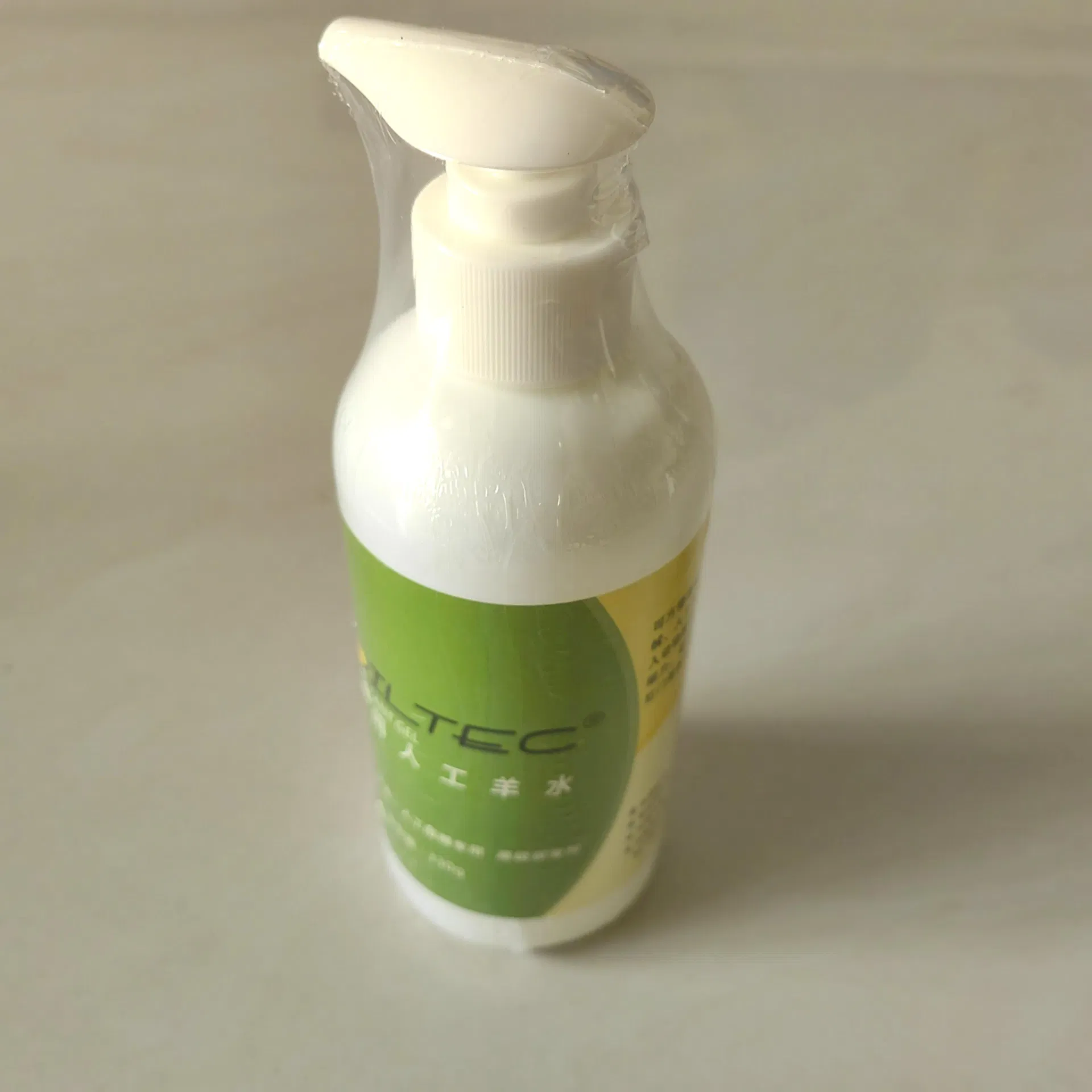
Press The Pump Head Bottle
Applicable Scenarios
Animal Assisted Delivery
Core Functionality
Reduce Operational Friction Damage
Applicable Subjects
Various Types of Farmed Animals
Transport Package
Carton
Specification
330g
Origin
China
HS Code
392620900
Production Capacity
5000

Product Description

Artificial Amniotic Fluid Gel/Lubricant

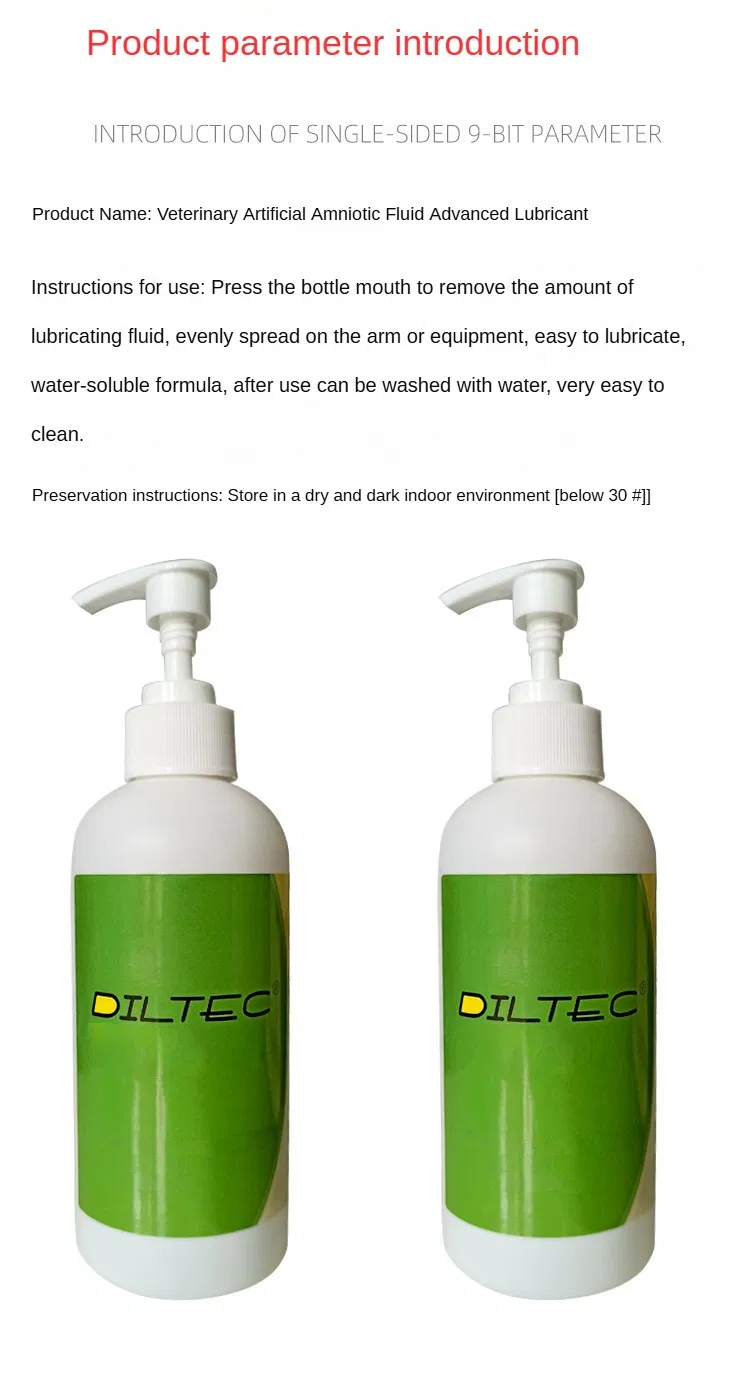
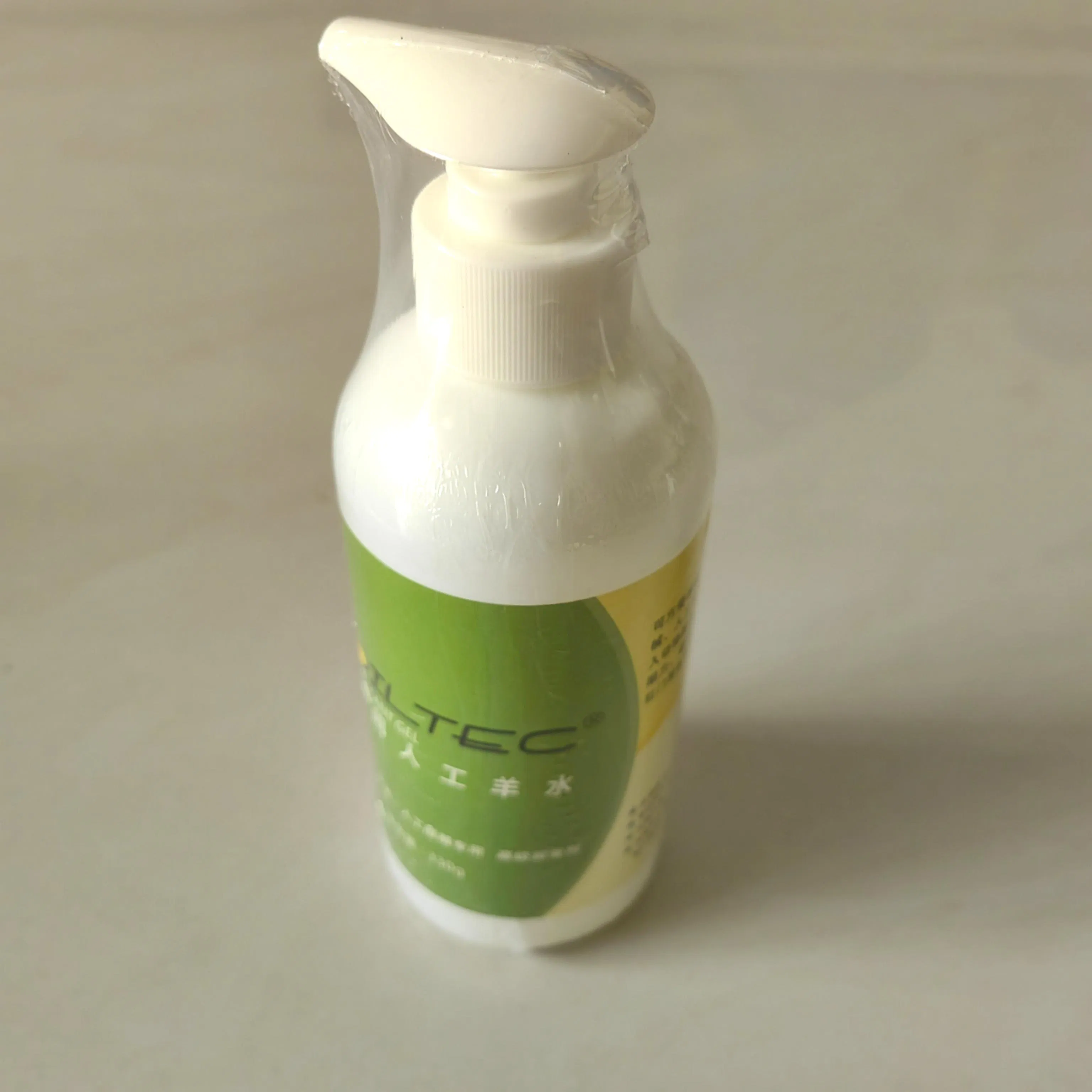
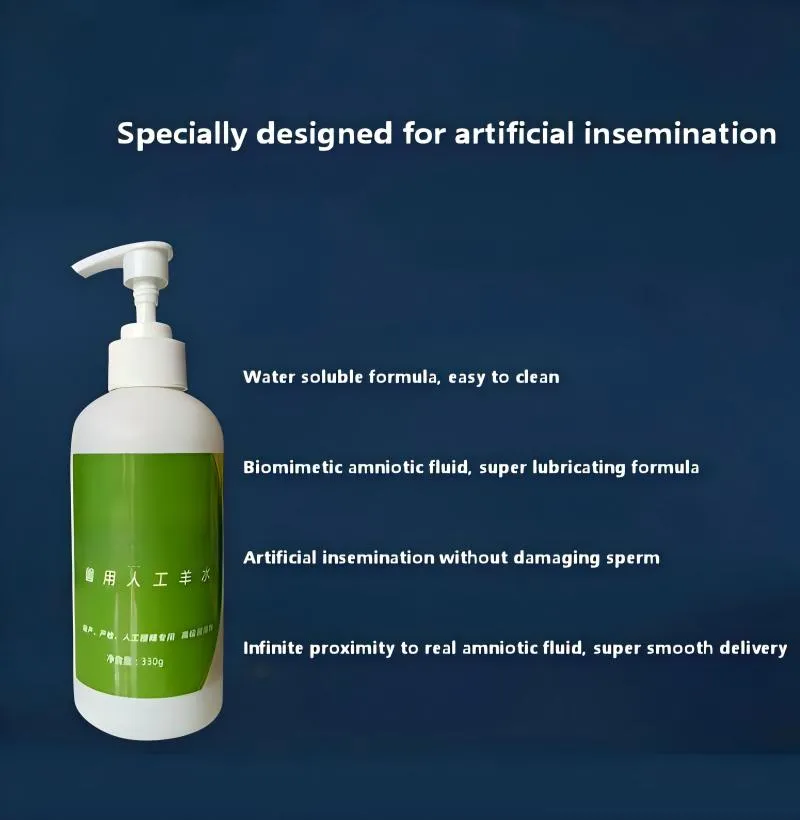
This is an artificial amniotic fluid for animals, a lubricating gel specially designed for animal obstetrics and breeding scenes. It simulates the lubrication and protection characteristics of natural amniotic fluid, and is suitable for animal midwifery, birth inspection, artificial insemination, and other links. It provides excellent lubrication performance to help smooth operations. The net content is 330g, featuring a press pump head design for convenient use and precise dosage control.

🔹 Mild and Safe Ingredients Developed to simulate natural amniotic fluid, the texture is mild and non-irritating, ensuring safety for animal birth canals.
🔹 Outstanding Lubrication Effectively reduces friction resistance between apparatus and animal bodies, improving the smoothness of midwifery and insemination.
🔹 Multi-Scenario Adaptation Ideal for assisted delivery, prenatal check-ups, and artificial insemination, reducing injury risks and optimizing results.
🔹 Convenient Experience Fresh gel texture that is easy to apply and clean. The pump head design avoids waste and facilitates storage.
🛠️

Product Usage

Midwifery: Apply evenly on midwifery instruments (e.g., forceps) or operator's hands to assist smooth delivery and reduce friction.

Antenatal Examination: Apply to the surface of examination instruments to reduce injury risk to mucous membranes and improve comfort.

Artificial Insemination: Apply on the device surface to complete the operation smoothly and improve success rates.

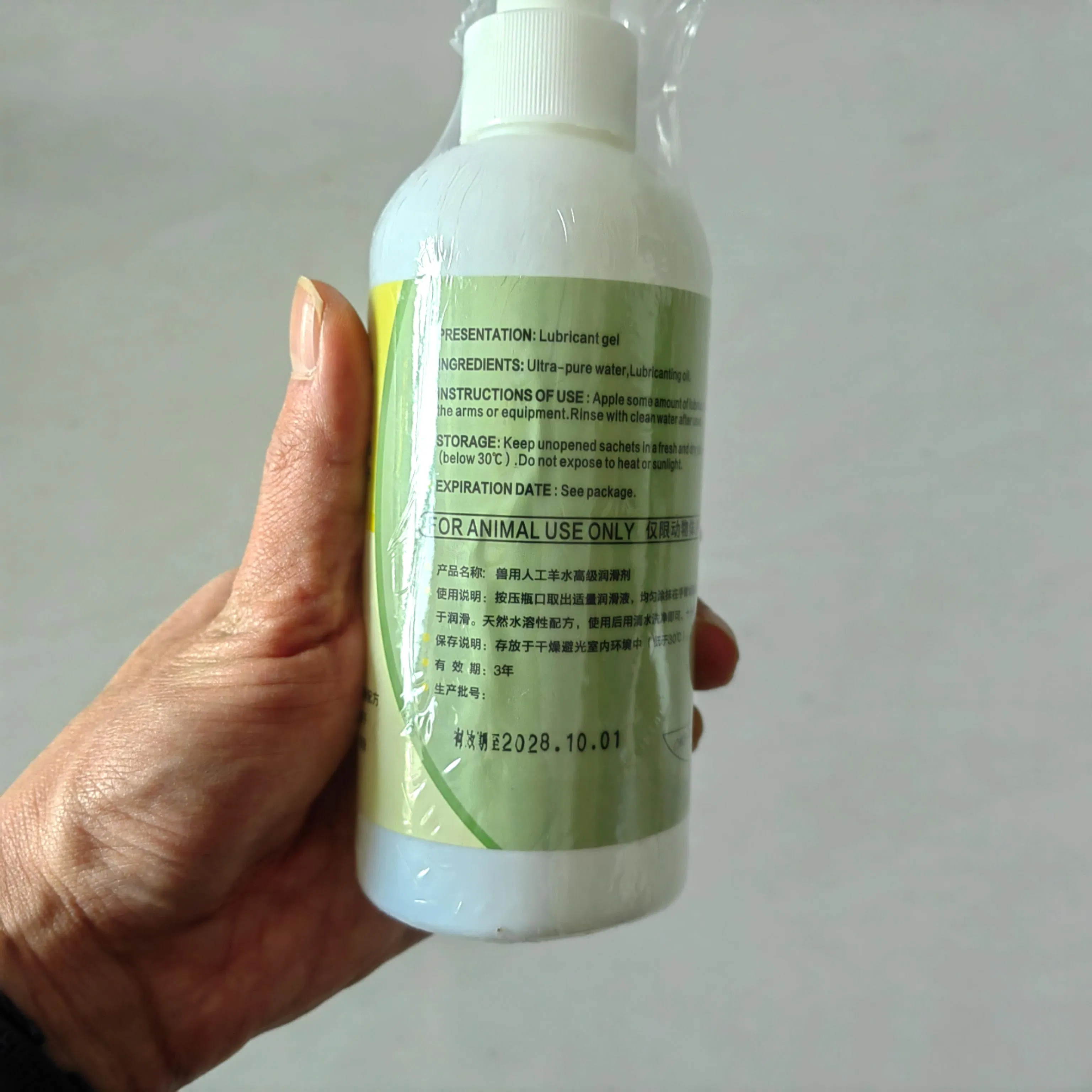
Note: Clean the area before use; apply evenly; clean equipment promptly after use; store in a cool, dry place.
📊

Specifications

Product NameArtificial amniotic fluid lubrication gel for animals
Product CategoryAnimal consumables (lubrication type)
Main IngredientsLubricating gel matrix simulating natural amniotic fluid
Net Content330g
Packaging FormPress the pump head bottle
Applicable ScenariosAssisted delivery, prenatal examination, artificial insemination
Storage ConditionsStore in a cool and dry place, avoid direct sunlight
Core FunctionalityLubrication protection to reduce friction damage
Applicable SubjectsVarious farmed animals (pigs, cows, sheep, etc.)
🏢

Professional Experience

"One-stop solution with careful service"

We have been focusing on the manufacturing of liquid nitrogen containers and specialized animal care equipment for 15 years. Our core advantages include:

  • High quality and precision craftsmanship
  • Continuous product innovation
  • Comprehensive customer service and support

FAQ

For which animals is this artificial amniotic fluid suitable?
It is suitable for various types of livestock and pets, such as pigs, cows, sheep, dogs, etc., covering common obstetric and reproductive scenarios.
How to use the product correctly?
Apply an appropriate amount of gel evenly on midwifery instruments, operator's hands, or examination tools before starting the procedure to ensure maximum lubrication.
What is the recommended dosage for each use?
Dosage depends on the scenario. Generally, 5-10g is sufficient for midwifery or insemination. The principle is to evenly cover the operating area or instrument surface.
Can it completely replace natural amniotic fluid?
No, it cannot replace all physiological functions, but it effectively simulates lubrication and protection during operations, assisting in safer deliveries.
Are there any taboos or precautions when using it?
Avoid contact with eyes and mouth. If the animal has skin ulceration, treat the wound first. Animals with known allergies to gel components should be tested on a small area first.

Related Products